
 ru
ru
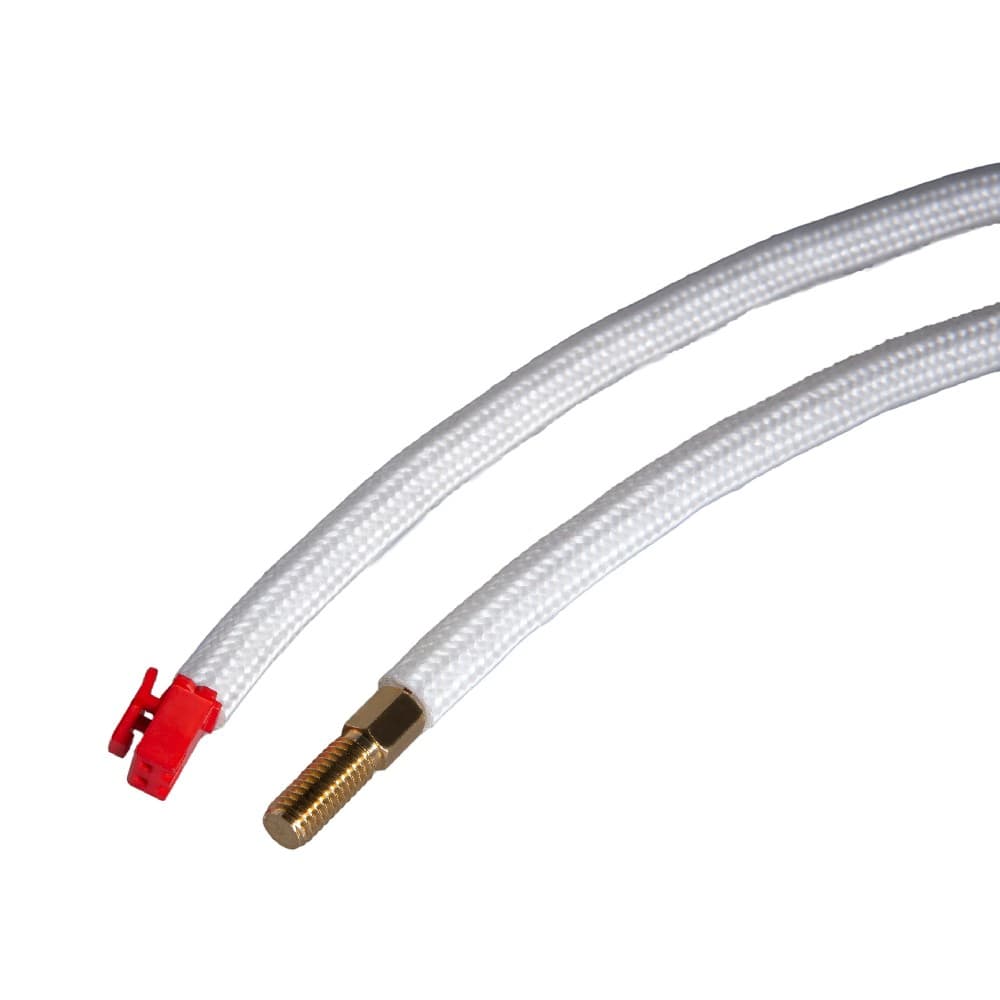
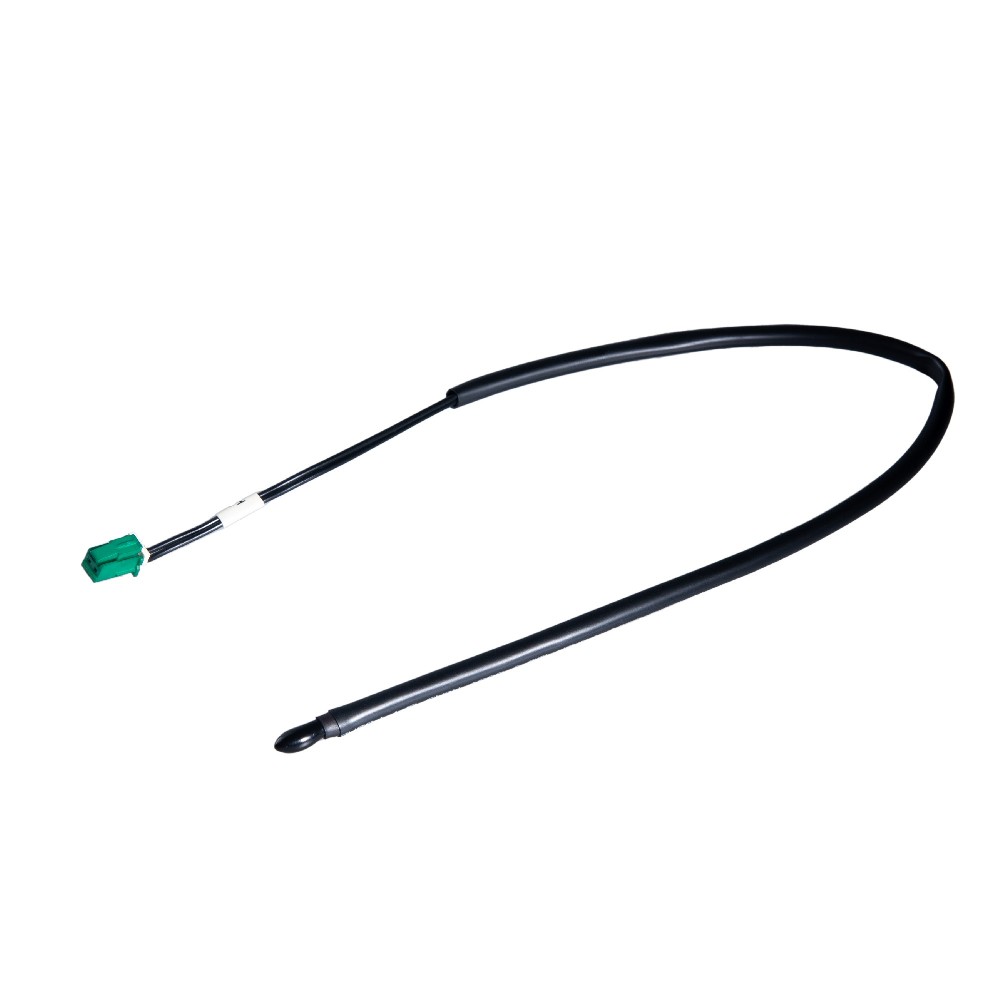
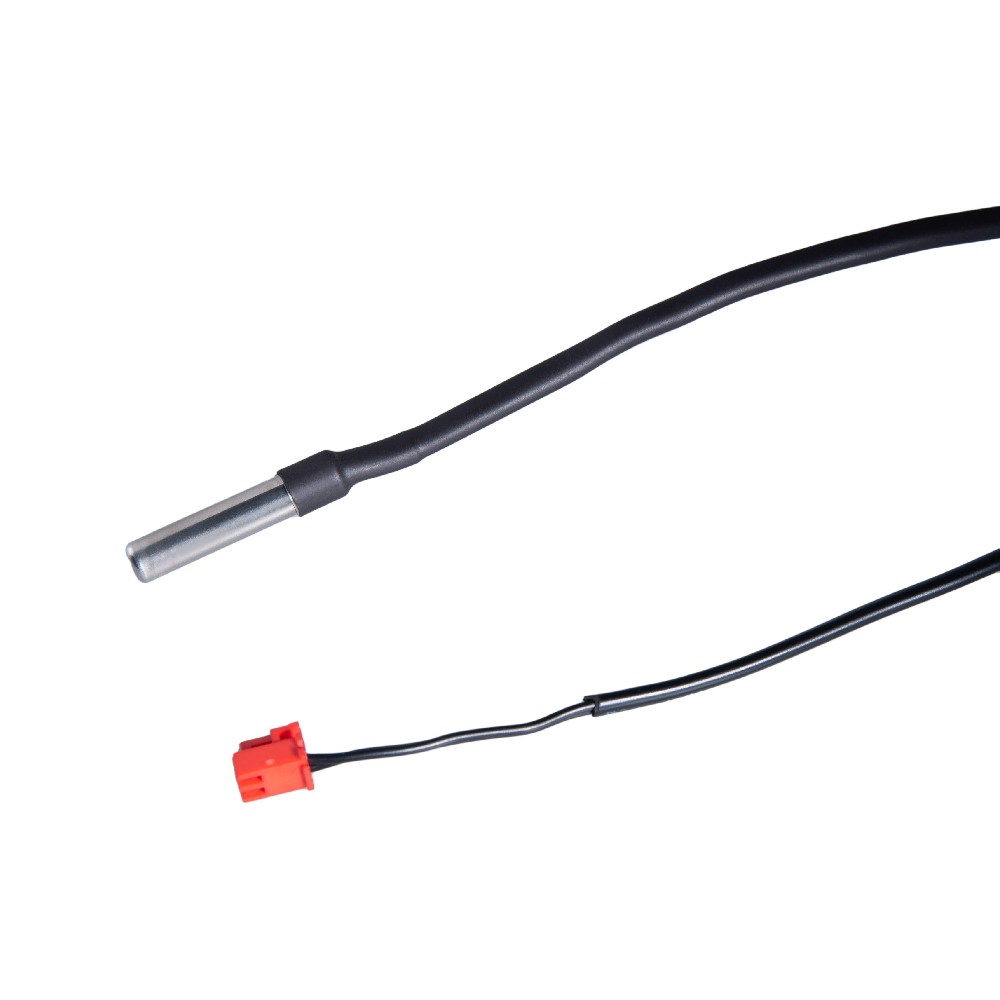
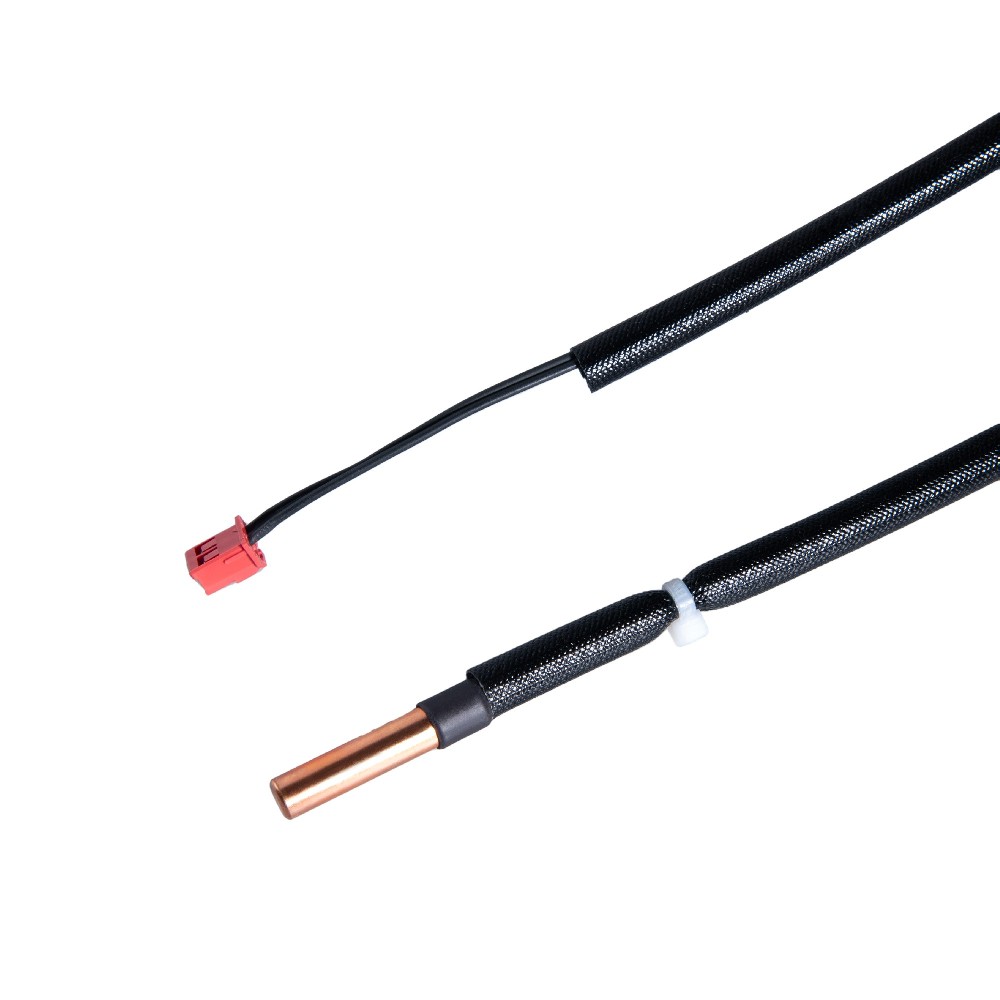
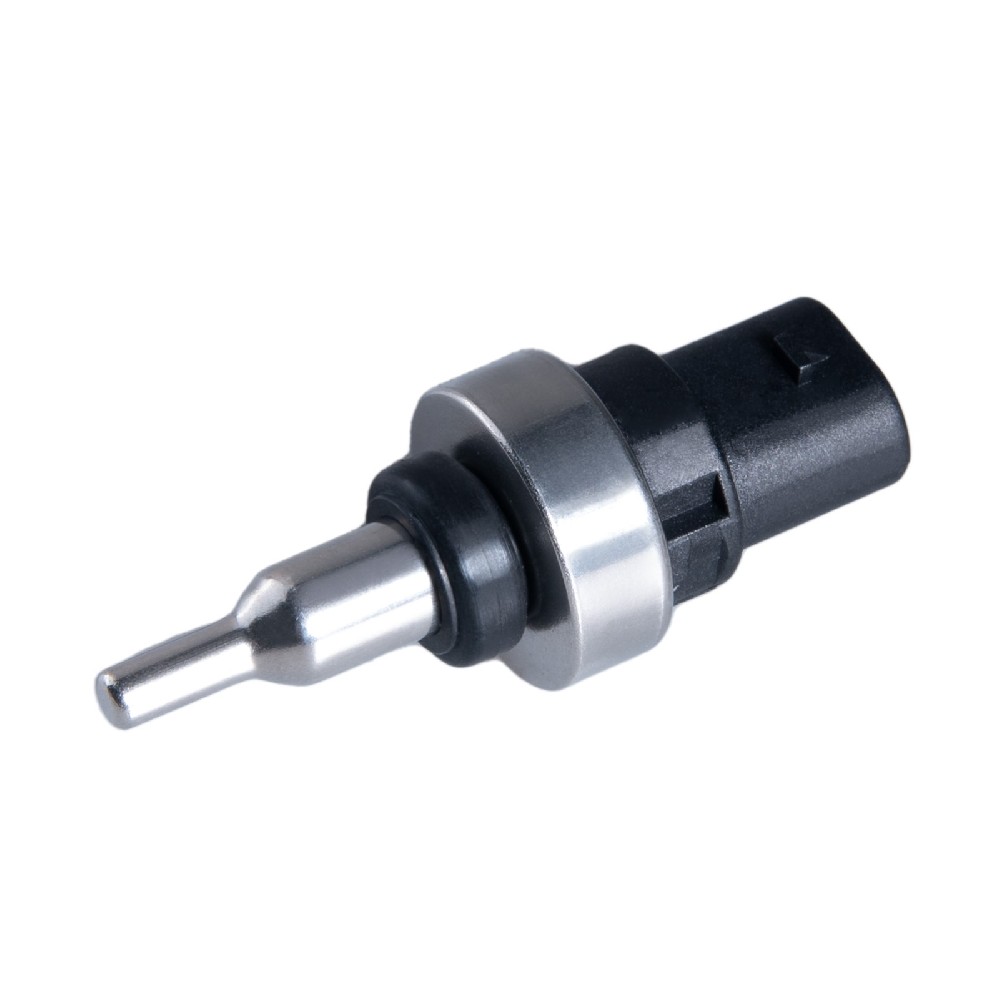
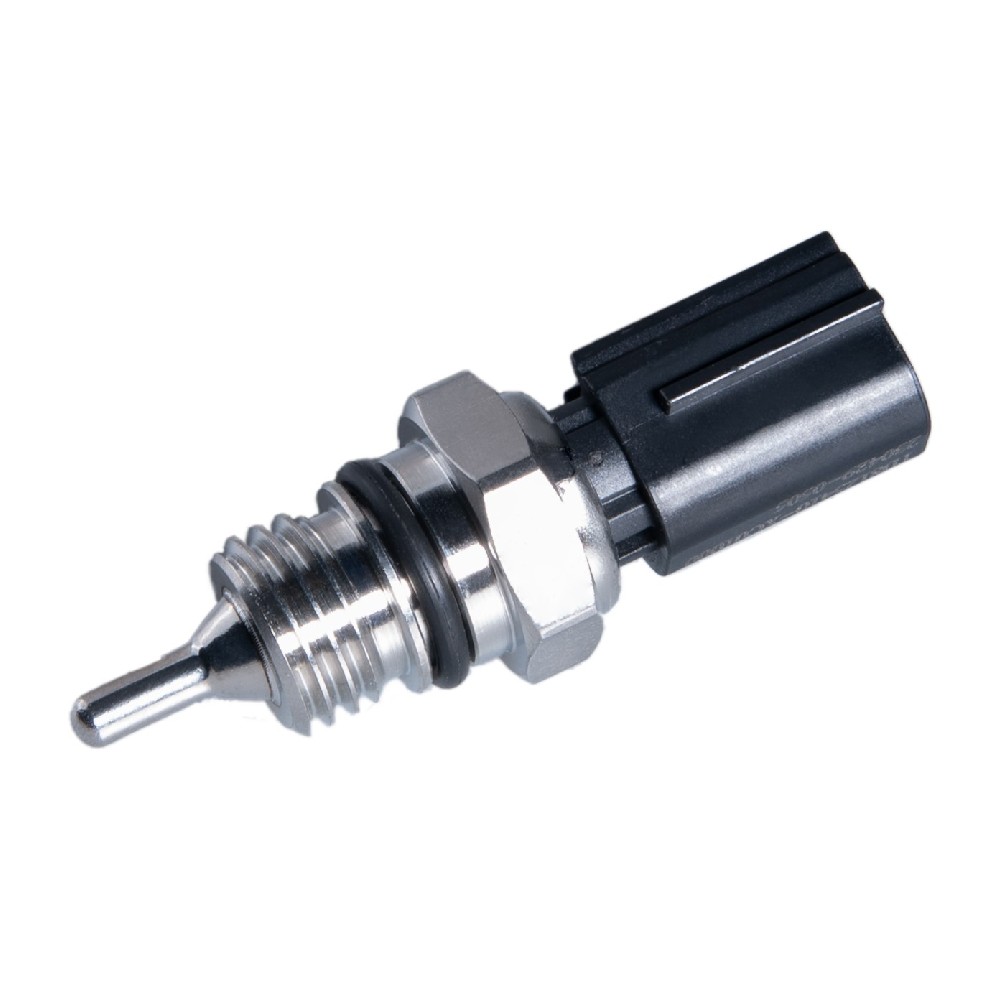
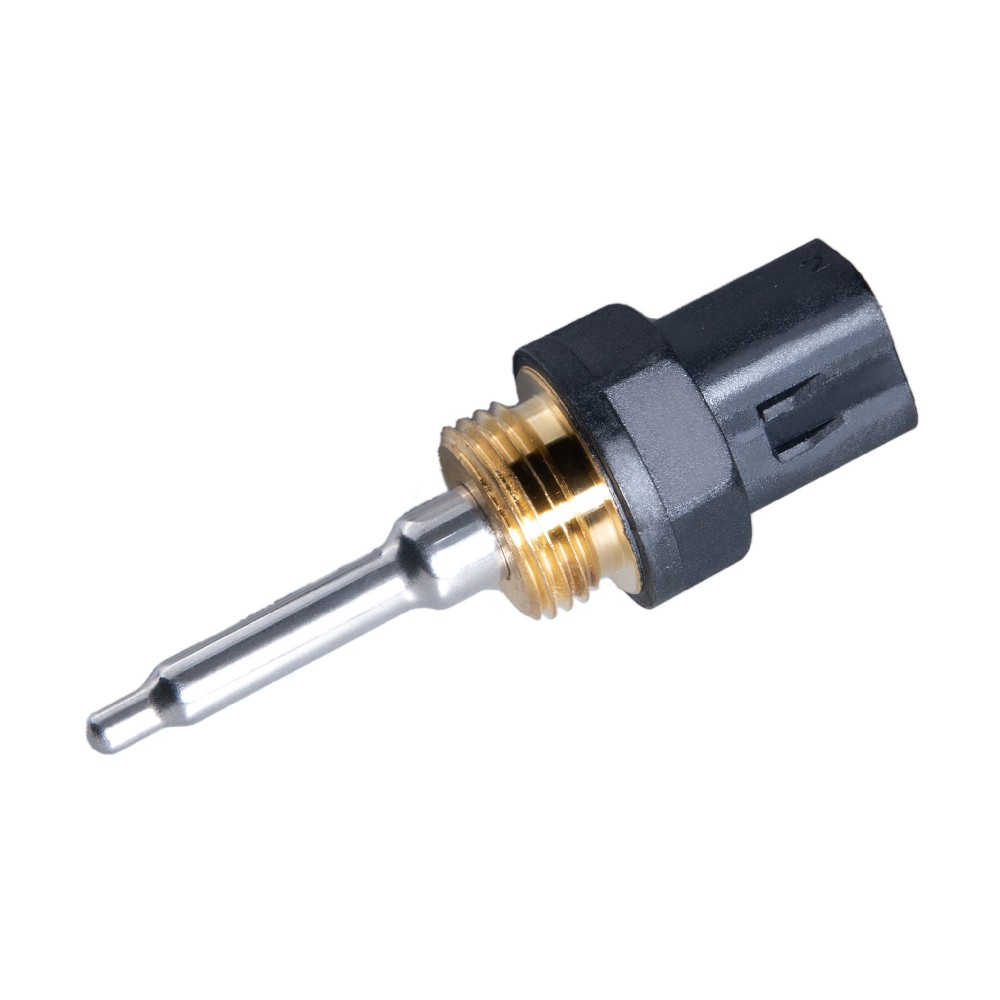
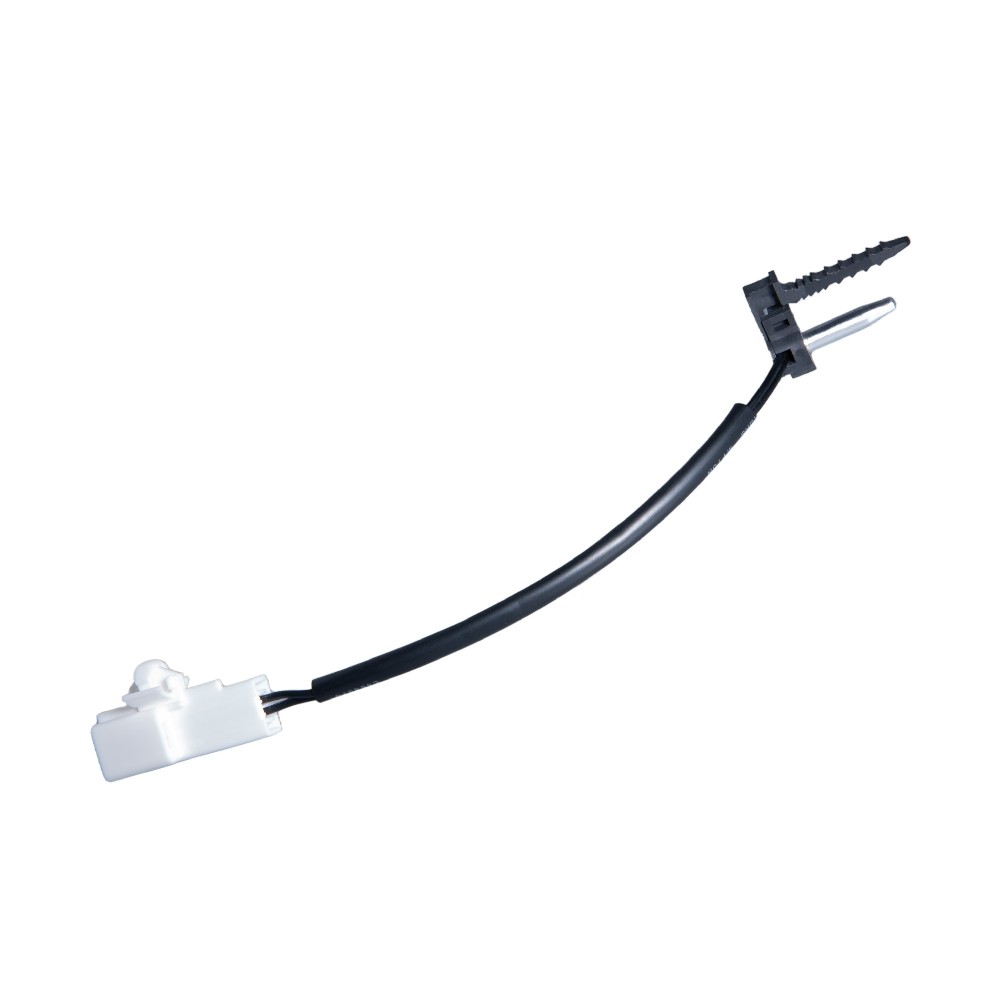
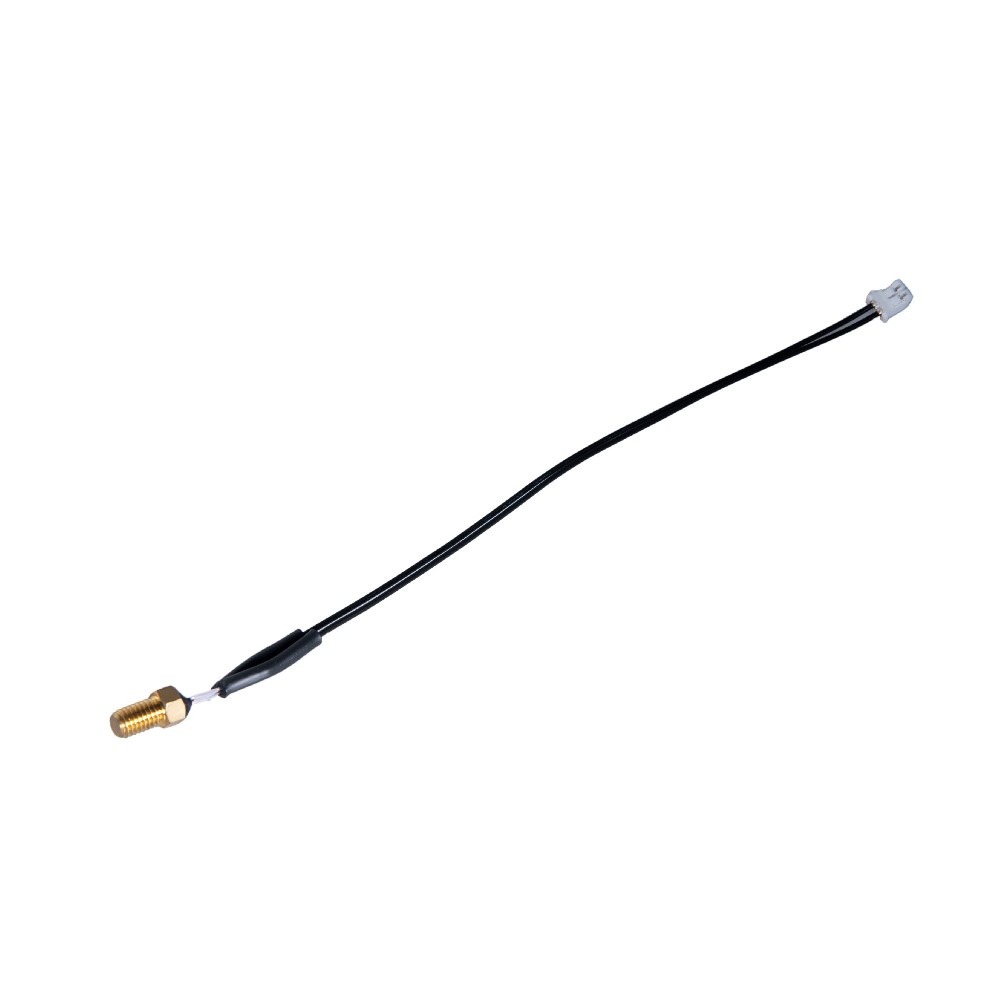
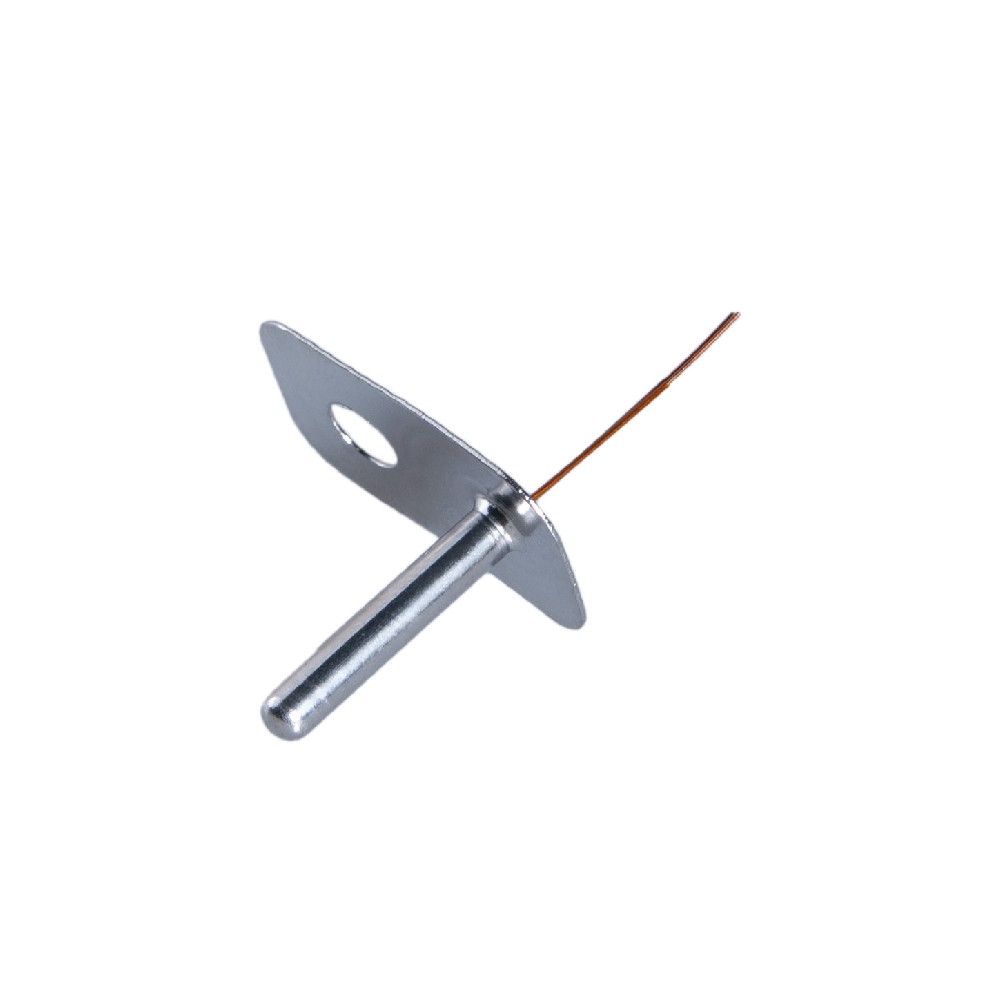
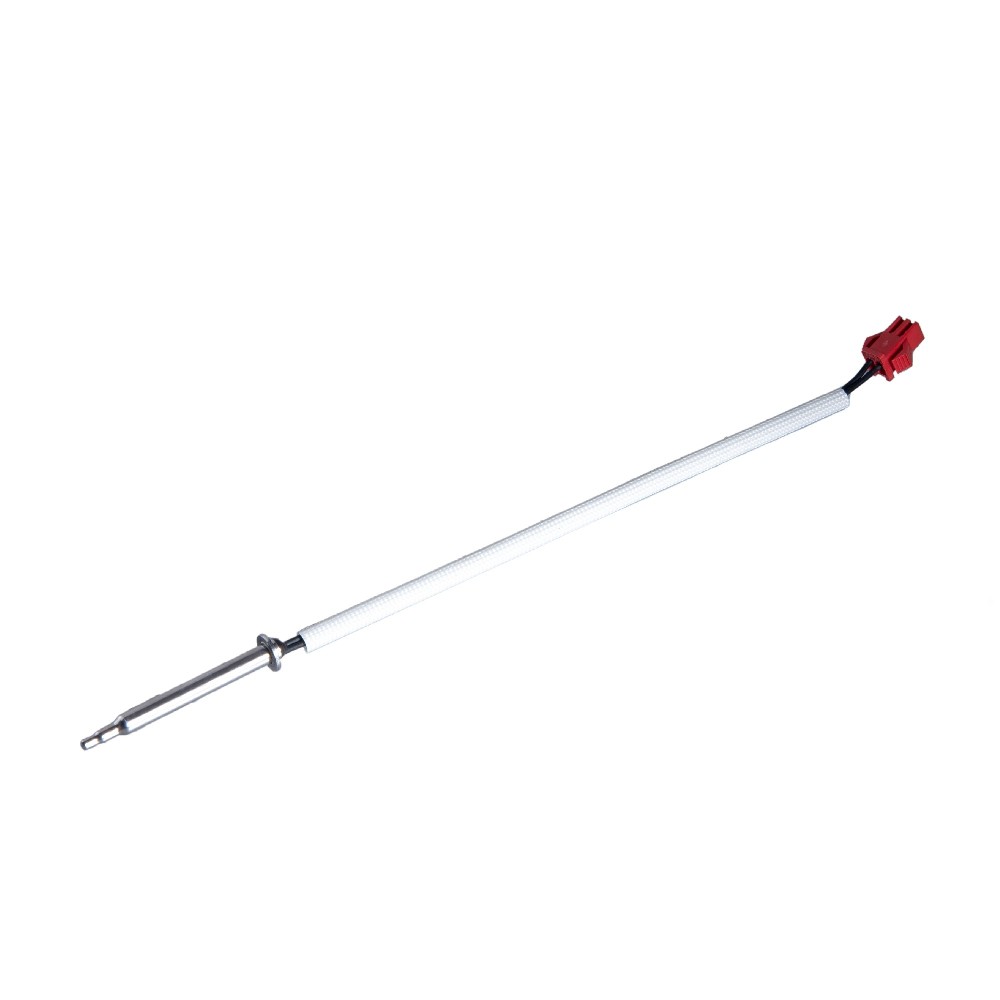
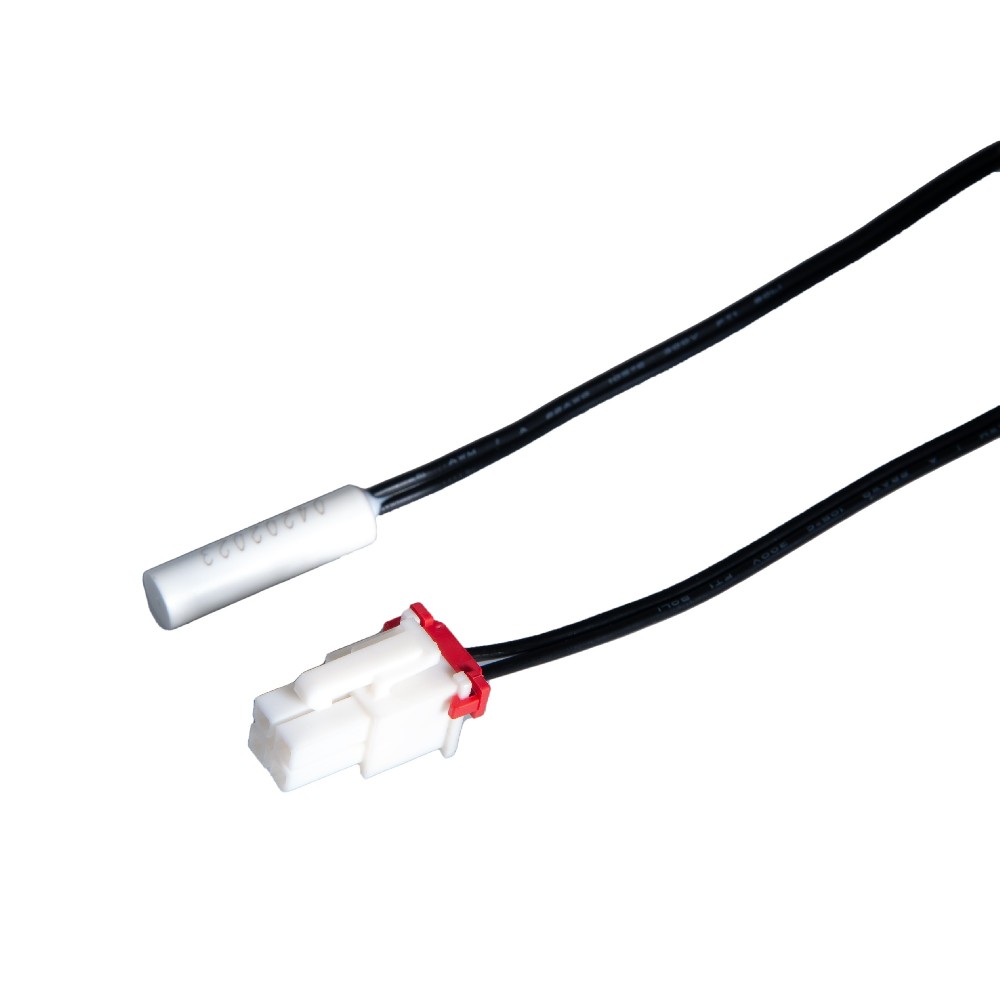
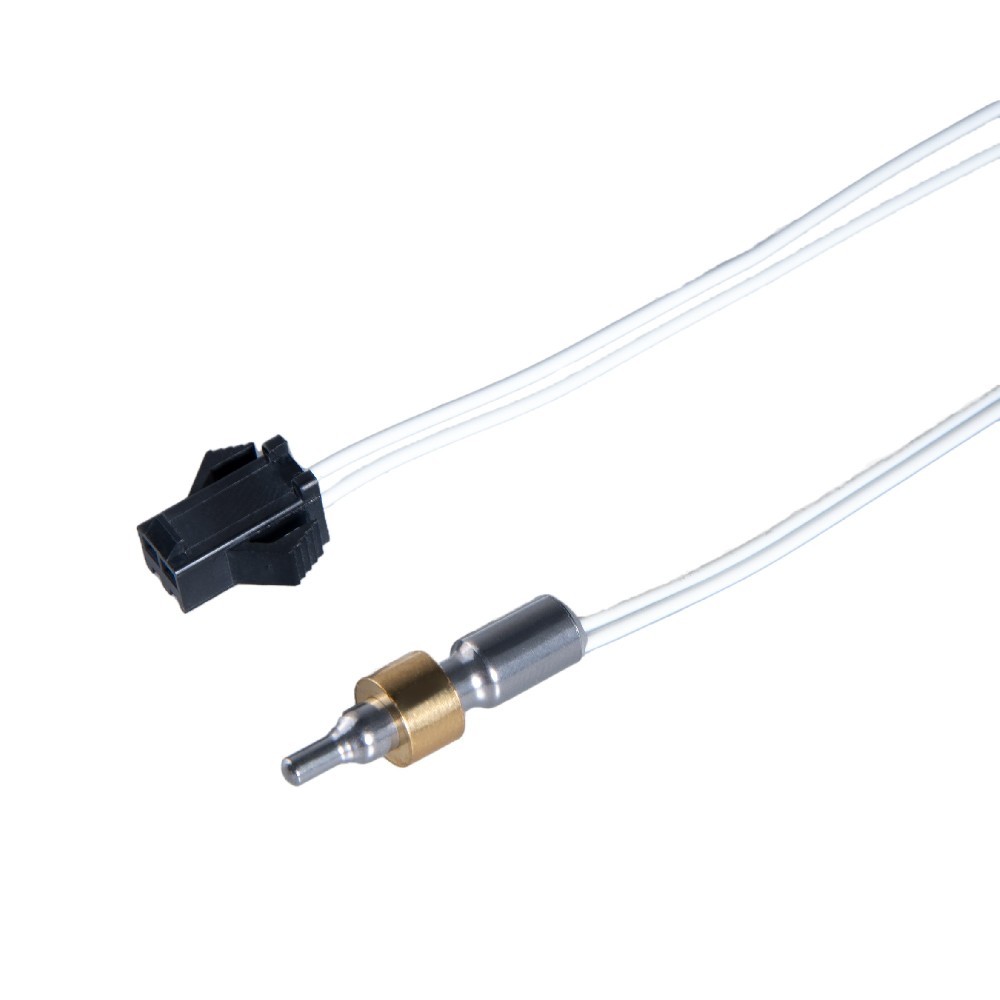
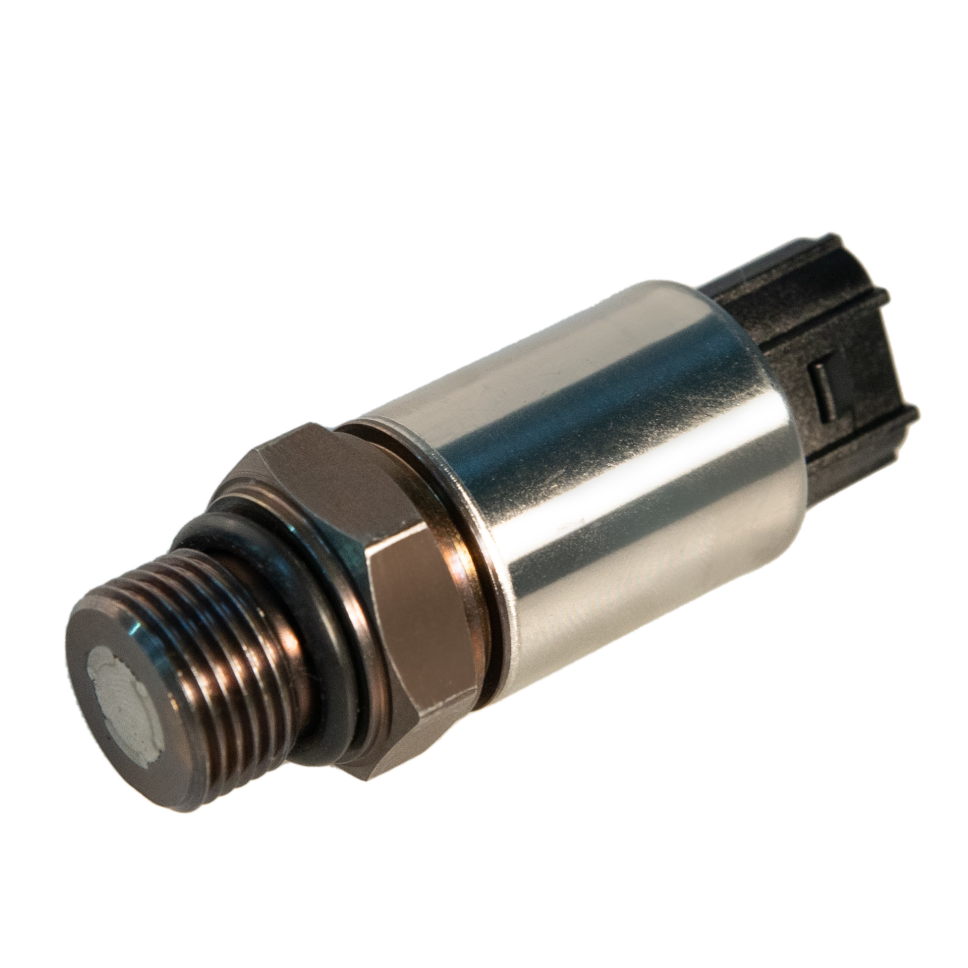
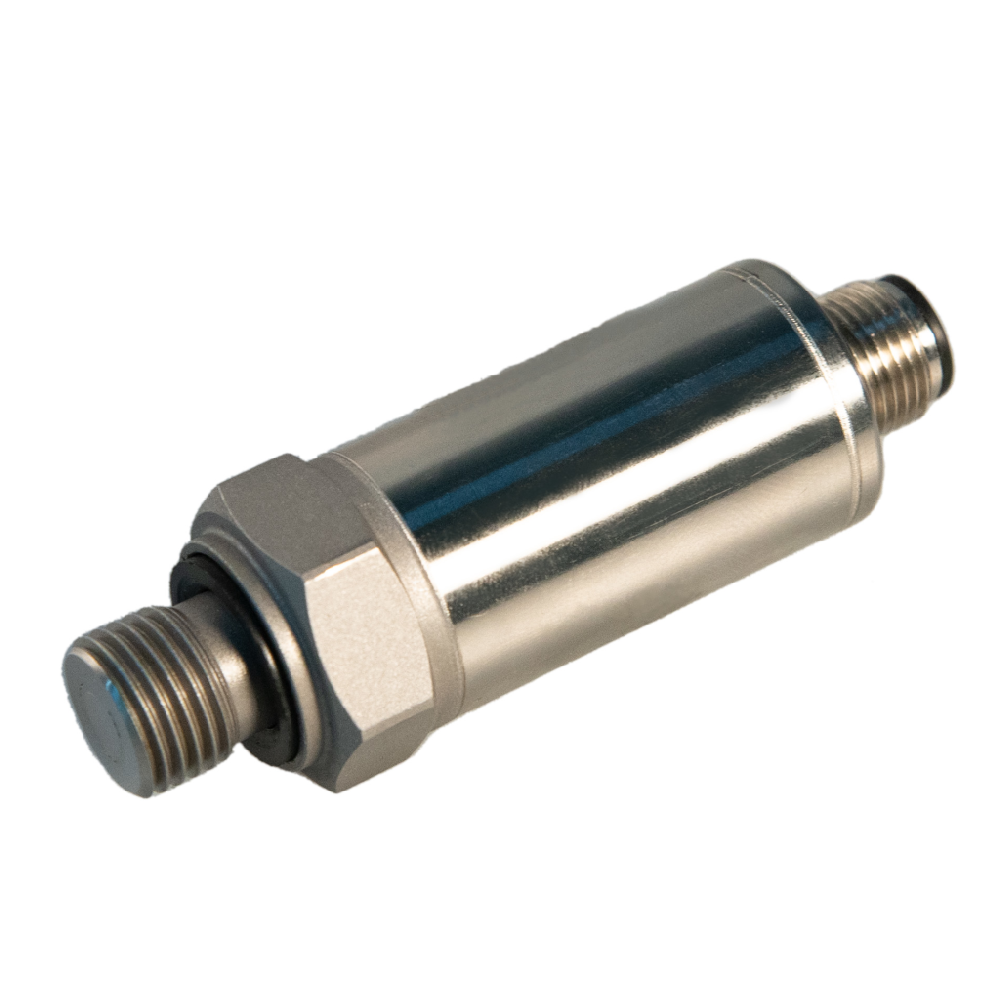
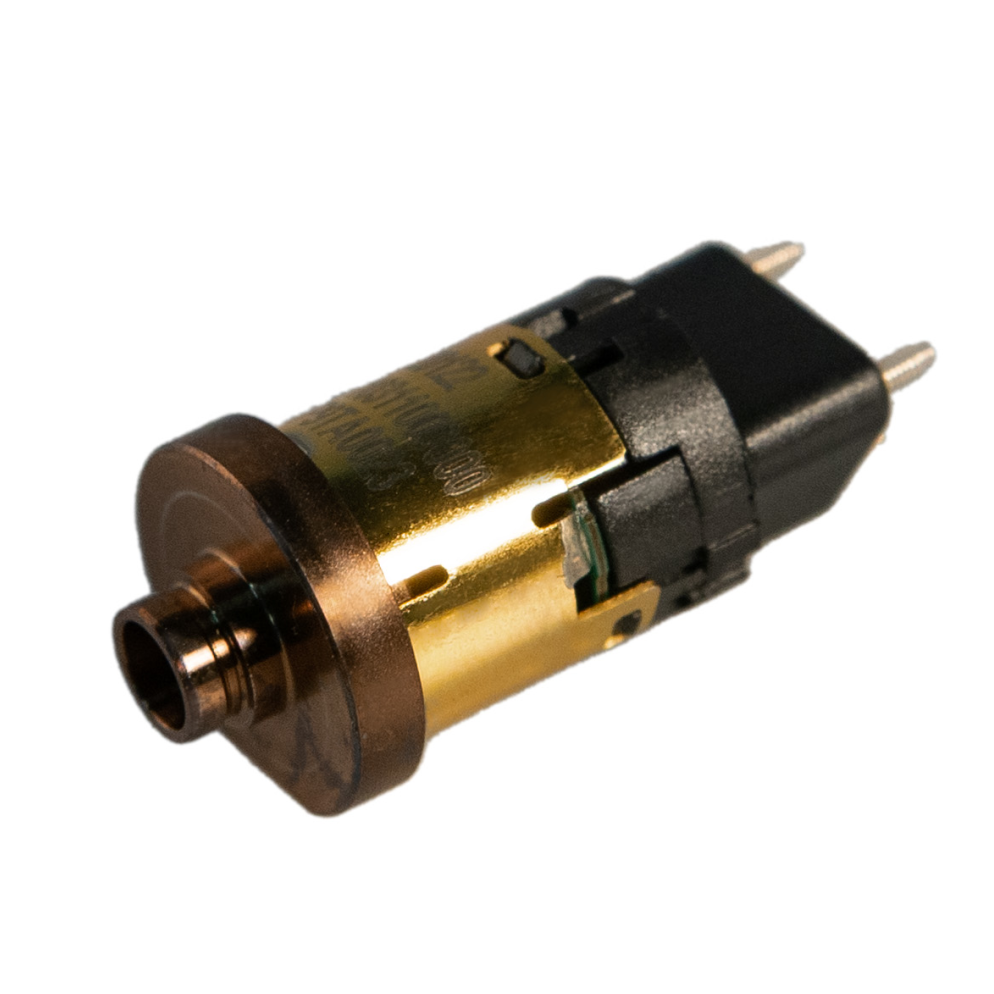
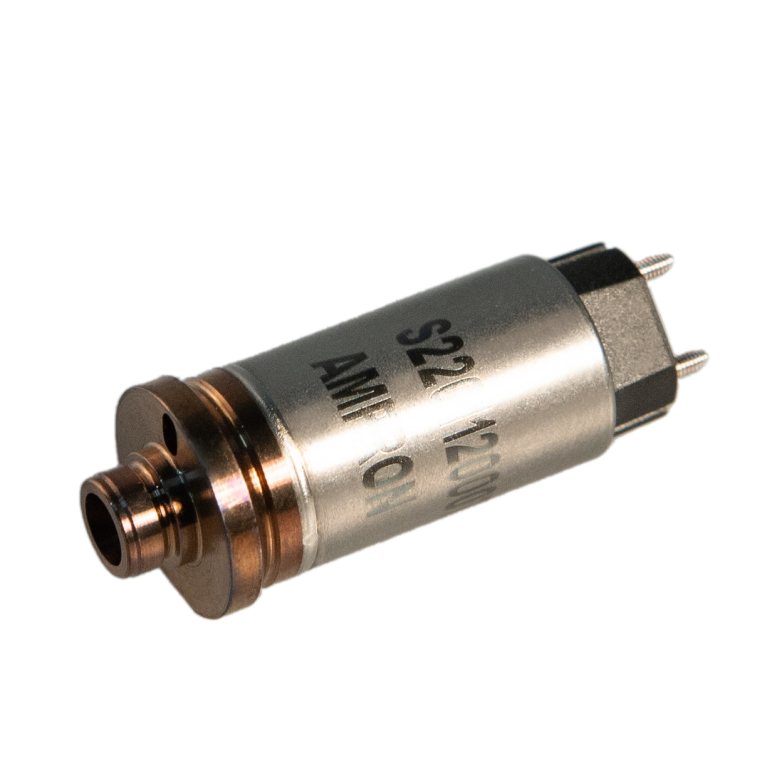
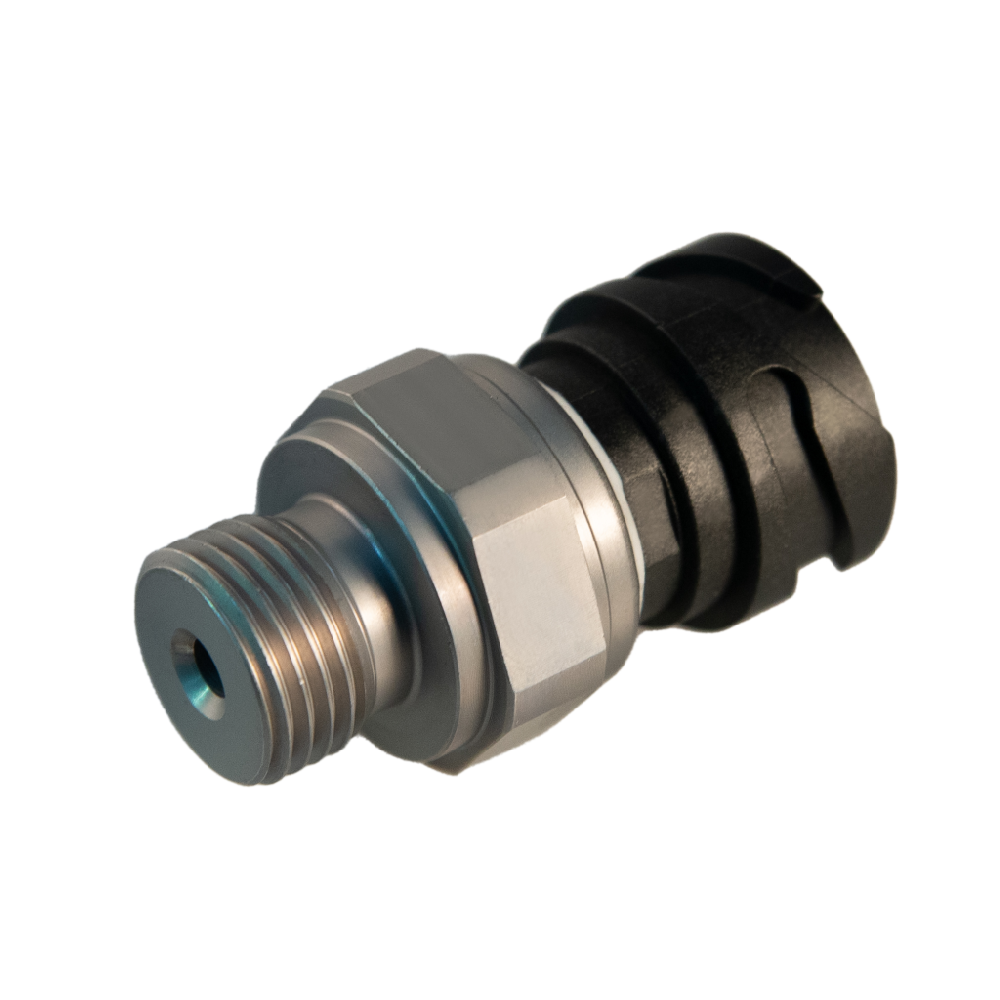
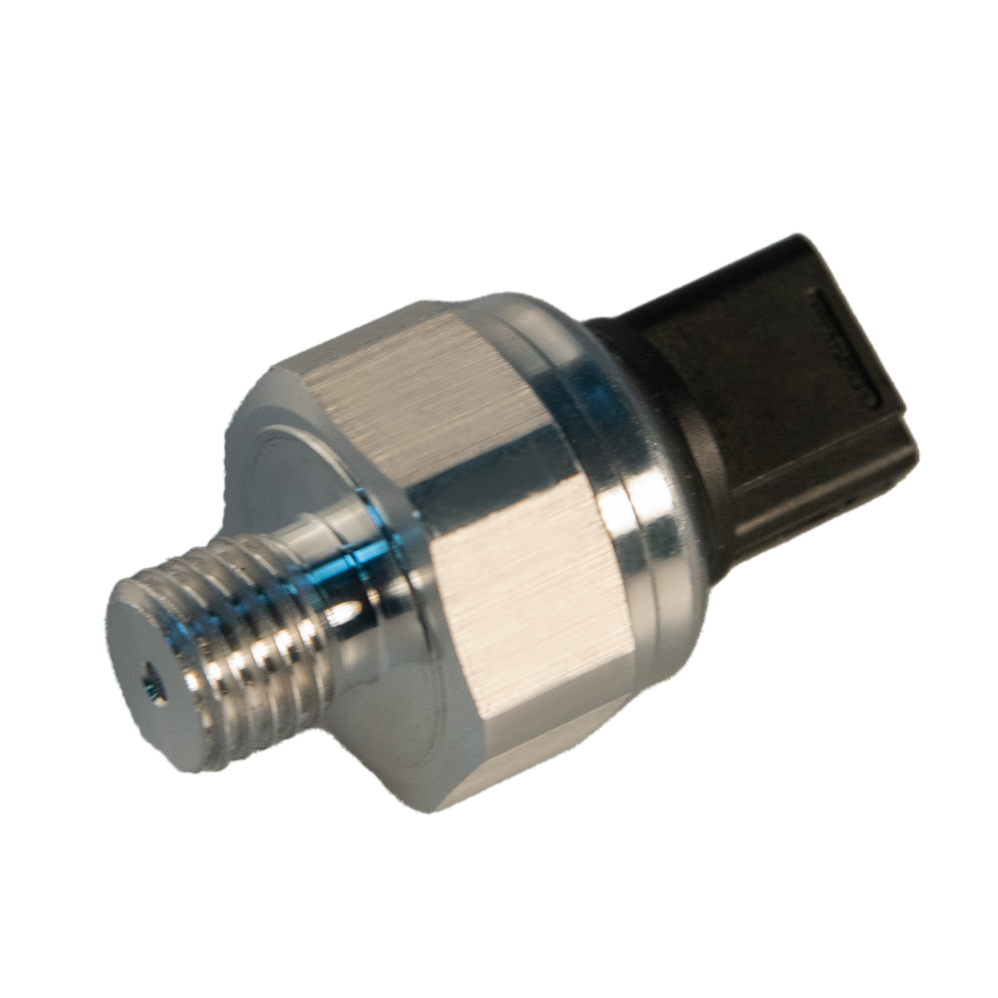
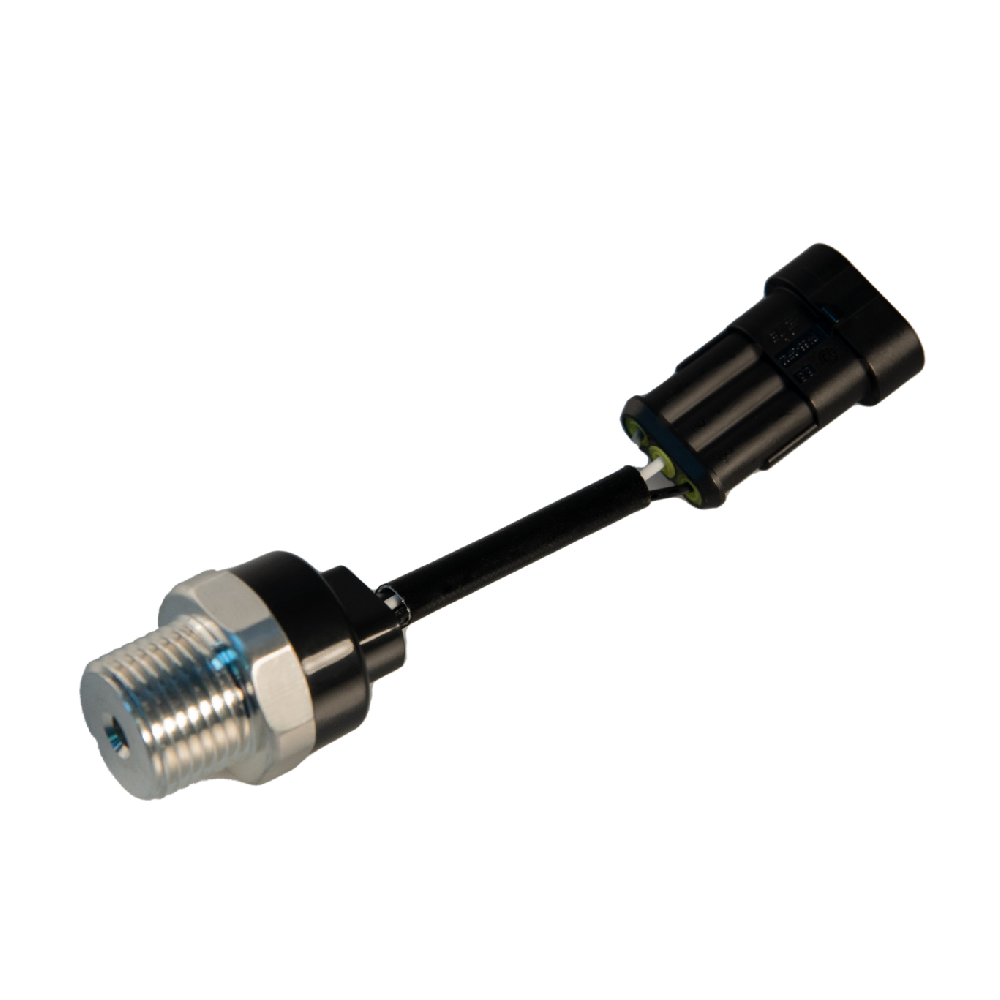
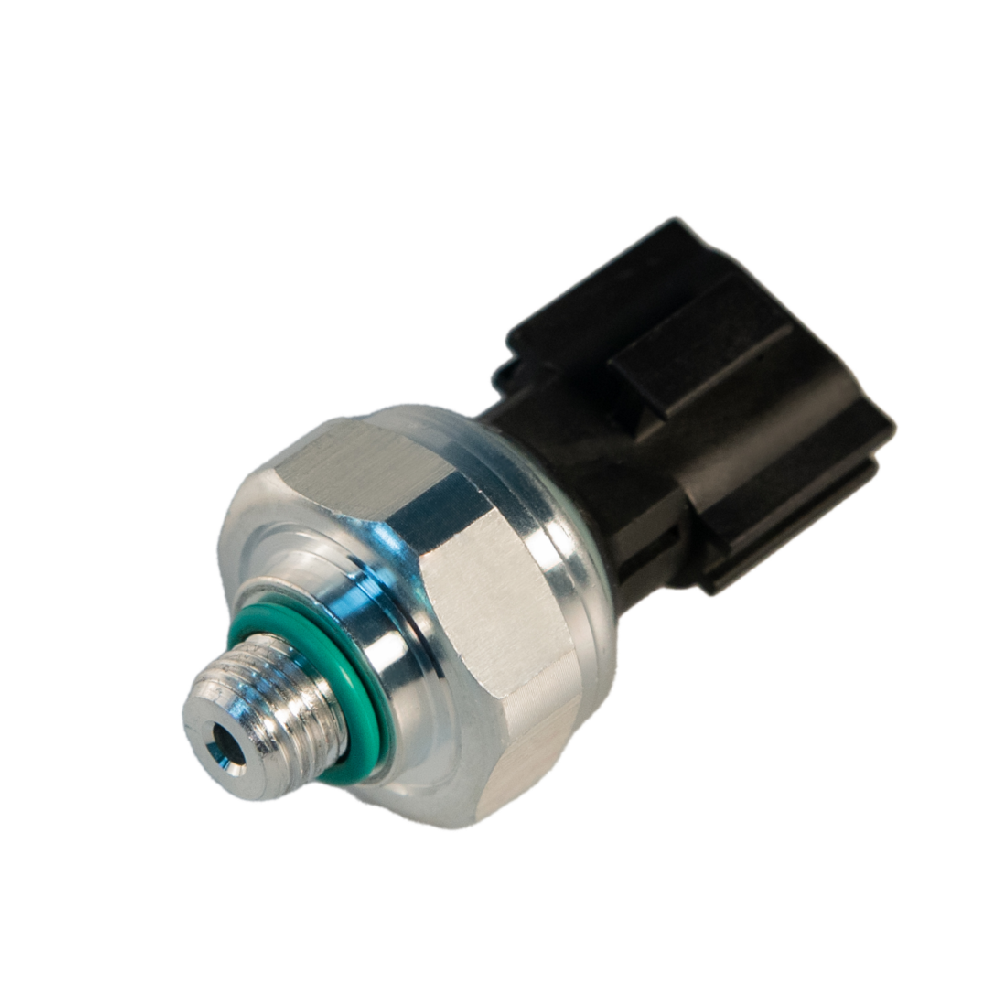
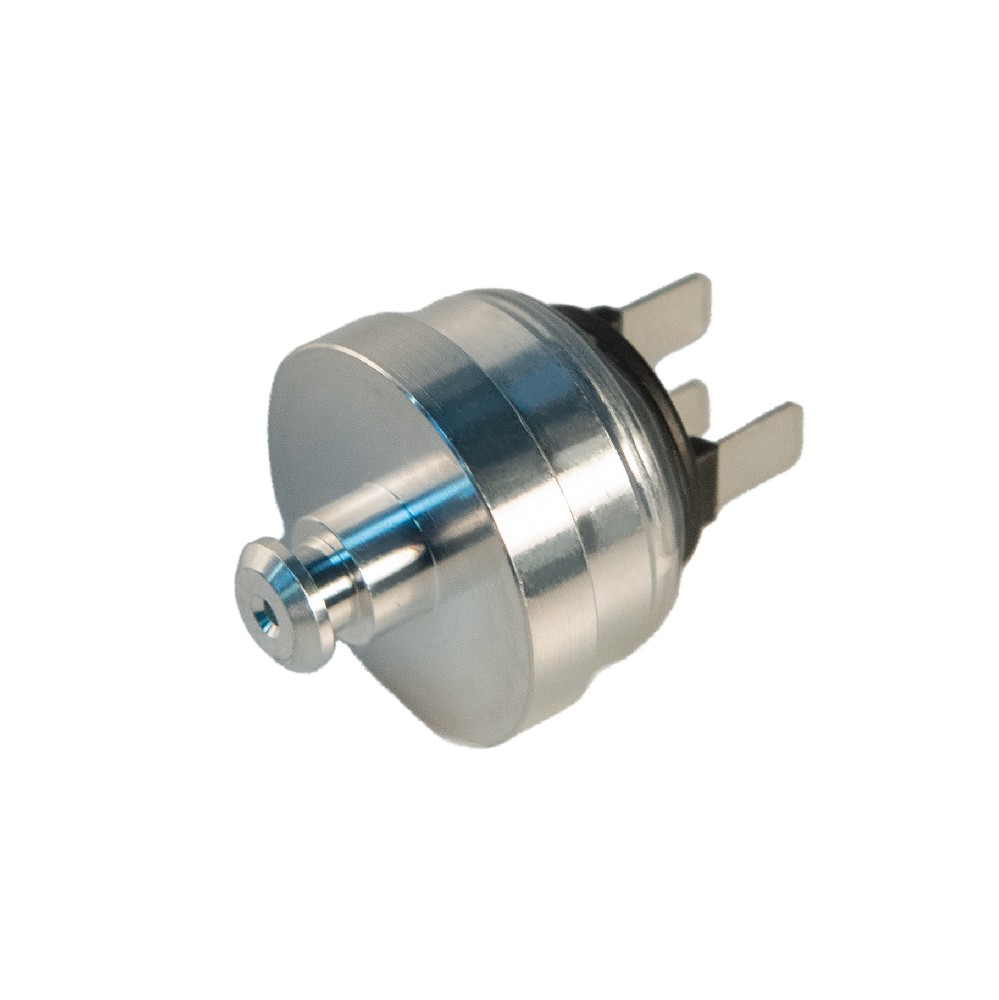
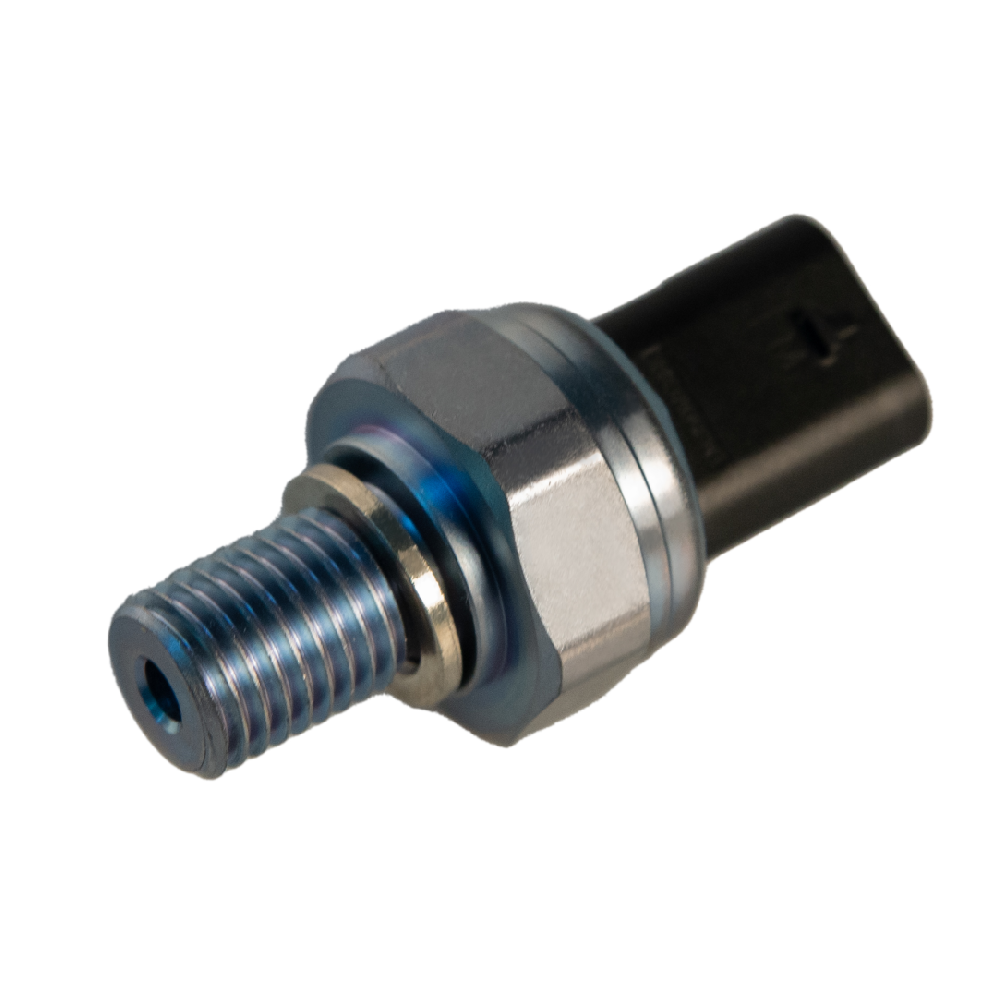
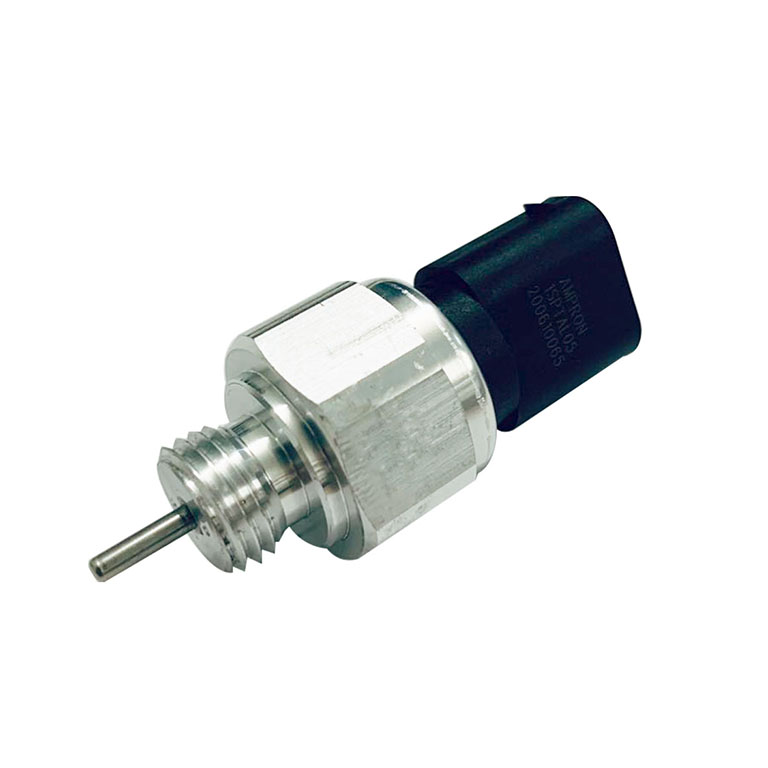
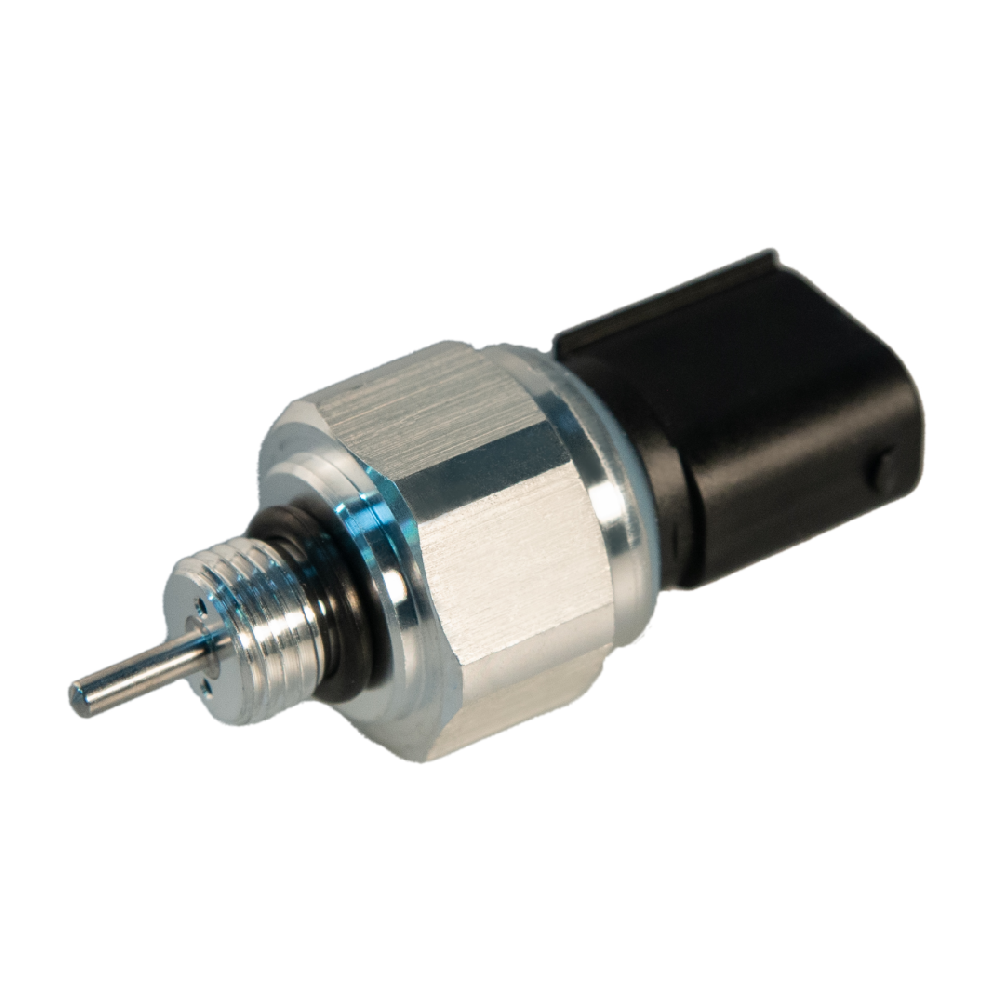
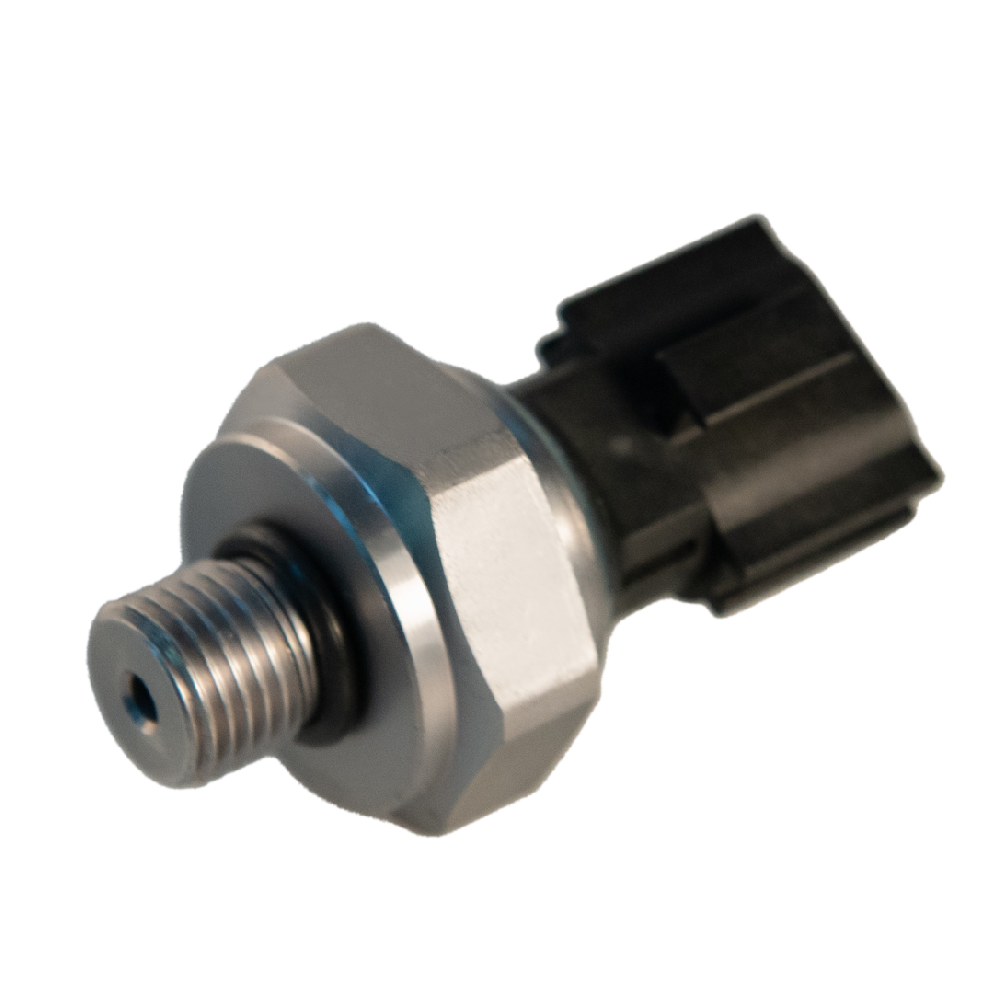
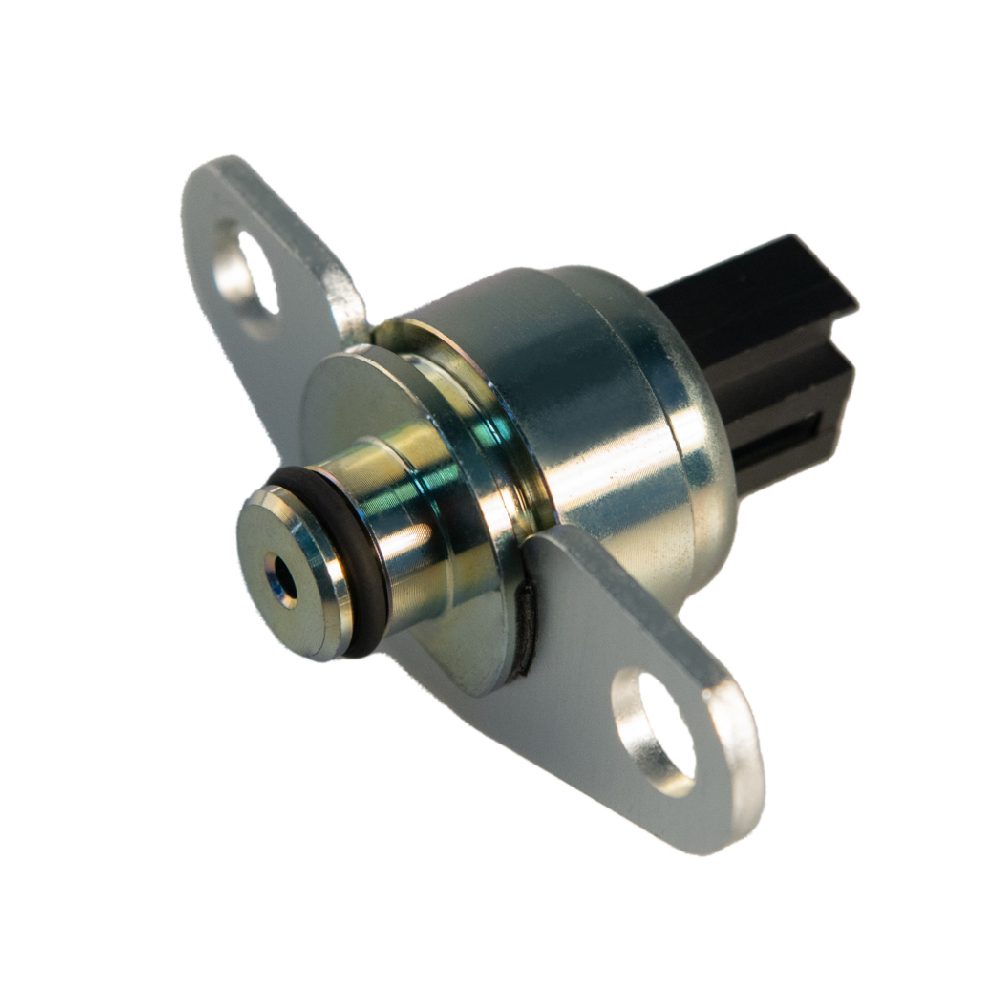
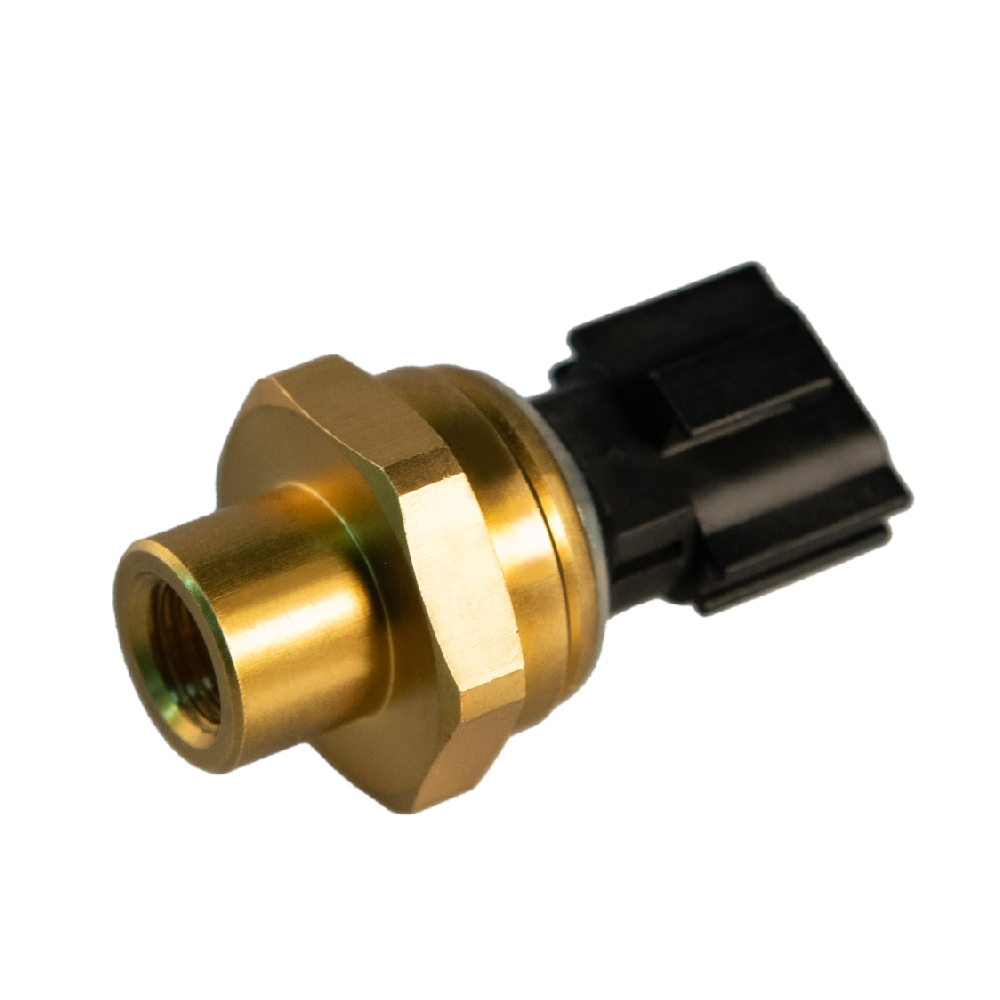
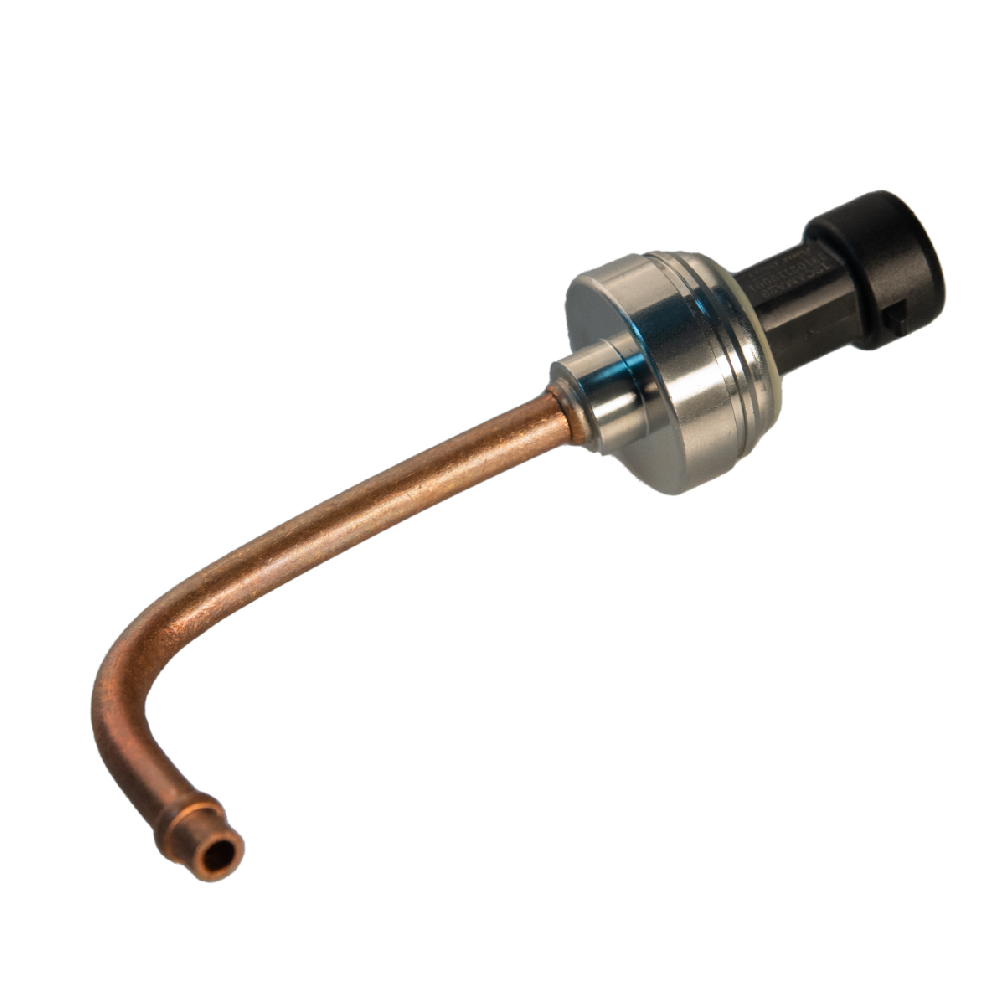
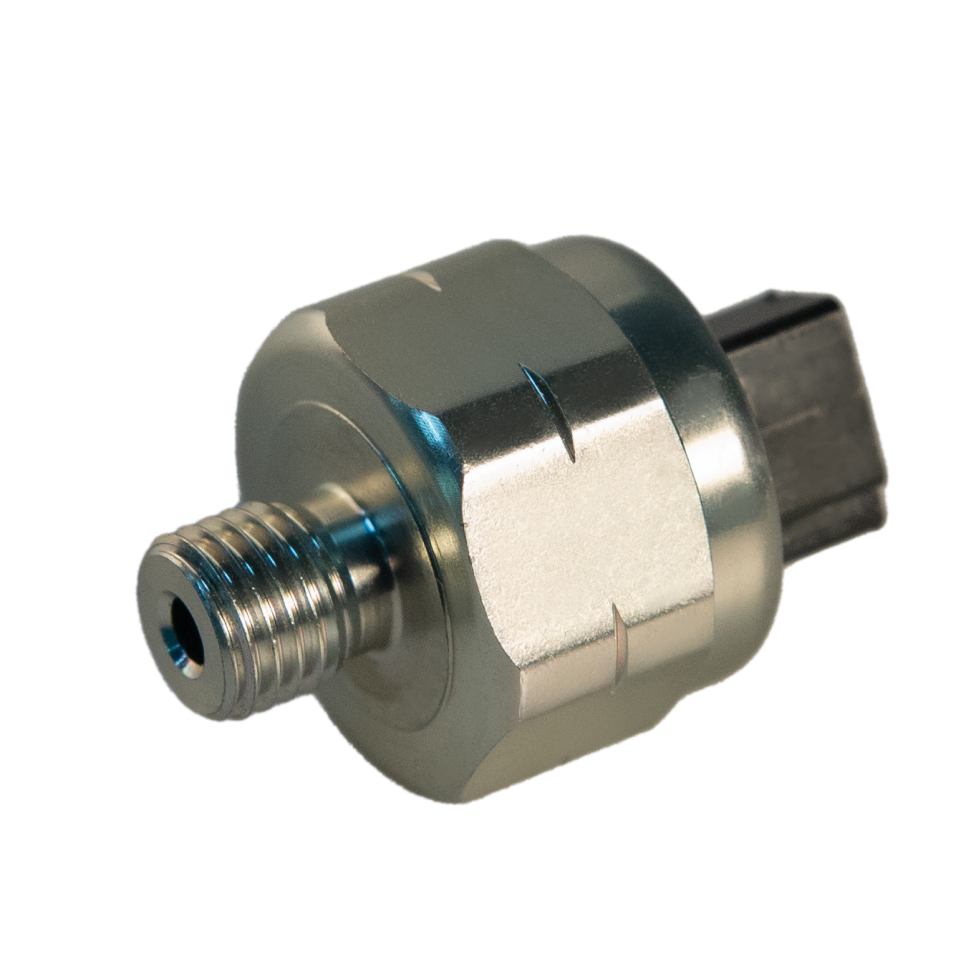
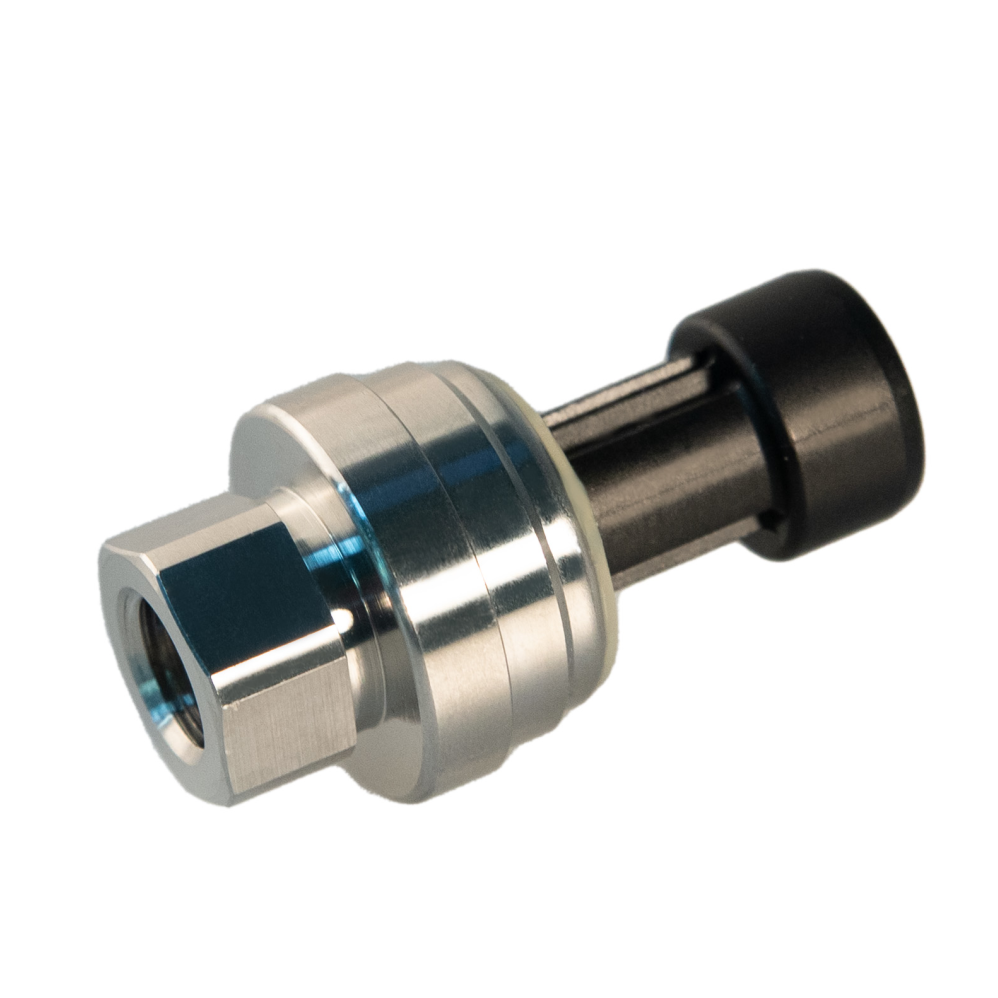
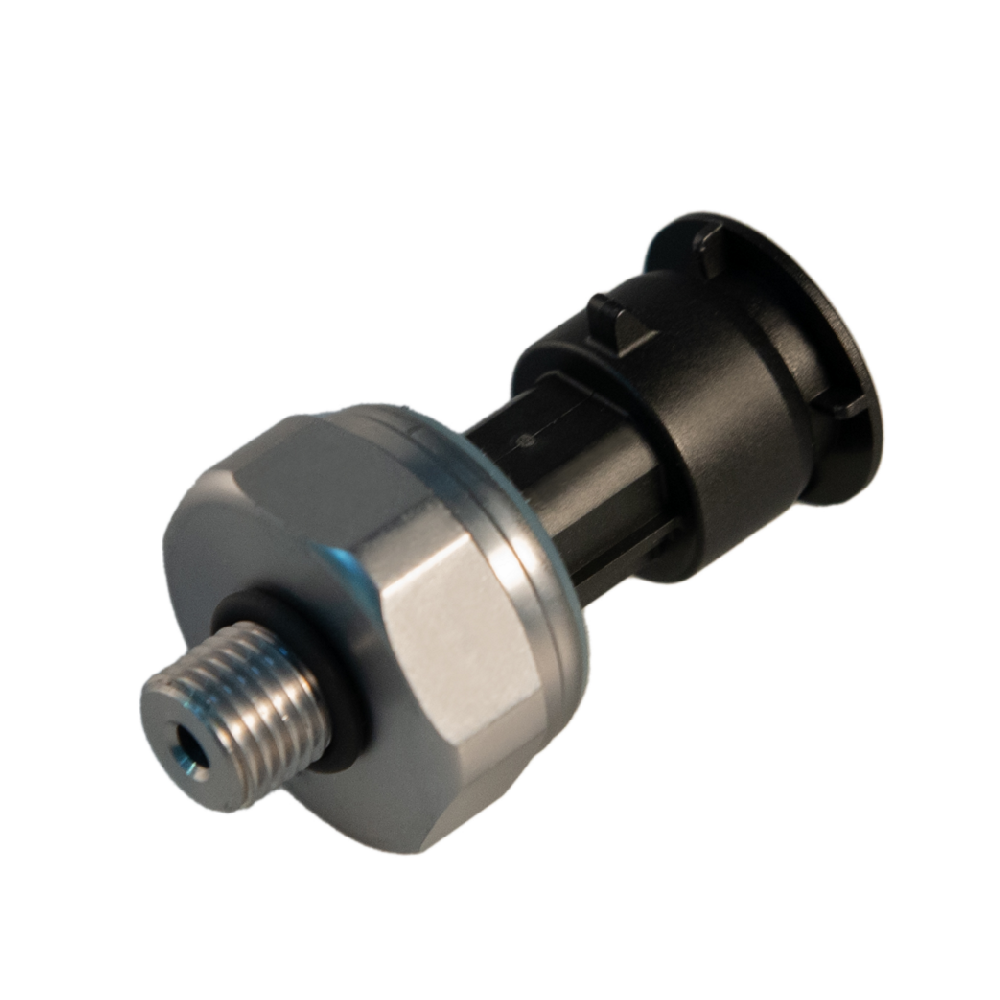
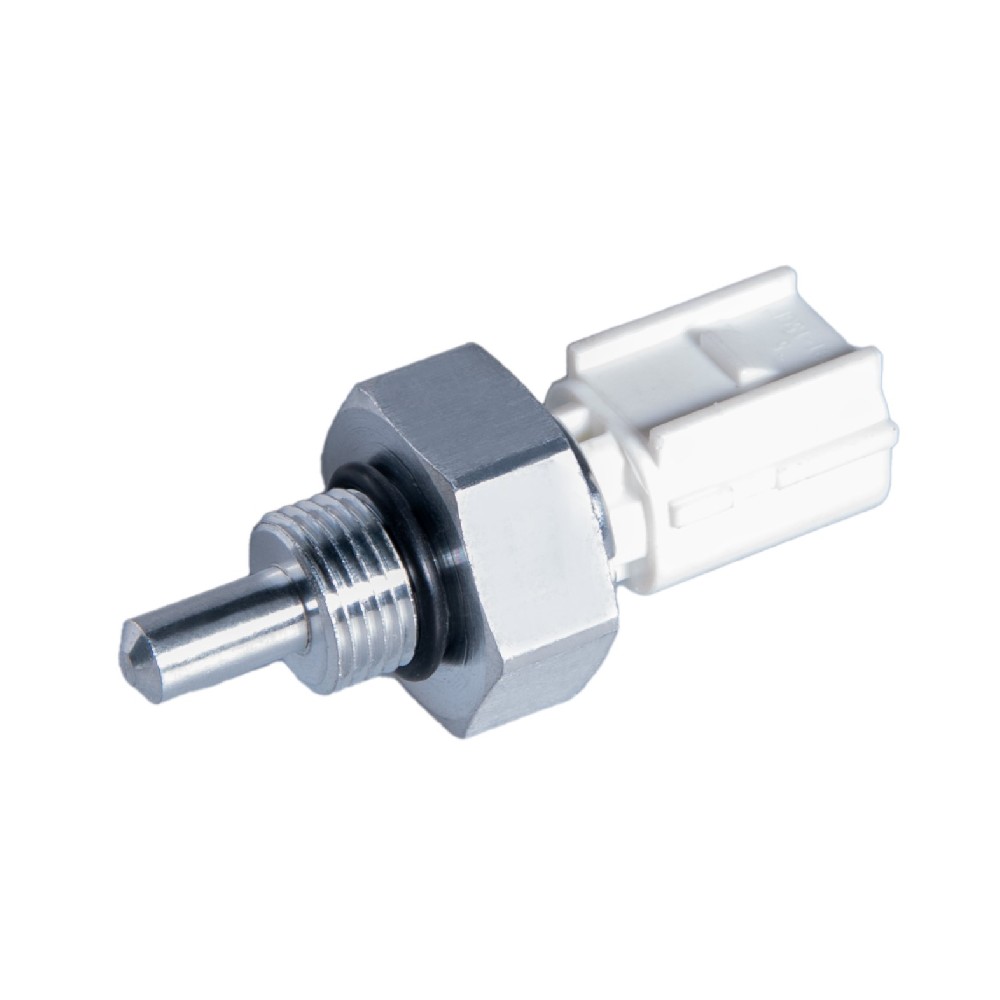
Engine Coolant Temperature Sensor
Product parameters
Resistance parameter: R25=5KΩ±1%
B25/50=3950K±1%
Operating temperature: -40 to +130℃
Withstand voltage test: 1000V AC 0.5mA 1Sec
Insulation resistance: 500VDC 100MΩ
Response time: ≤5s
Operating voltage: 5±0.1VDC
Working current: ≤0.5mA
1. Core Working Principle
The internal sensitive element is an NTC Negative Temperature Coefficient Thermistor (universal type for vehicles):
Low coolant temperature → High thermistor resistance
High coolant temperature → Sharply reduced resistance
ECU outputs a stable 5V reference voltage to the sensor, calculates coolant temperature by sampling voltage changes, and executes corresponding engine control logic.
Typical resistance reference:
20℃ ≈ 2.5kΩ
90℃ (normal working temp) ≈ 300Ω
2. Main Structure
Sensing core: NTC thermistor chip
Heat-conductive brass metal probe (directly contact coolant)
Sealing rubber ring (anti-coolant leakage)
Threaded mounting body (standard threads: 1/8NPT, 14mm, 16mm, 17mm)
Plastic electrical connector (2-pin / 3-pin plug)
3. Installation Position
Main installation: Thermostat housing (coolant outlet of cylinder head)
Alternative positions: Engine cylinder block water jacket, radiator upper pipeline
Dual-sensor design (some old cars): One for ECU control, one independent sender for dashboard temperature gauge
4. Key Functions
① Engine fuel & ignition control
Cold start: Low-temperature signal → ECU increases fuel injection volume, delays ignition timing to enrich mixture, avoid stalling & rough idle
Warm engine: Normal temp signal → Reduce fuel supply, optimize ignition advance to cut fuel consumption & exhaust emissions
② Cooling fan automatic control
When coolant exceeds threshold temperature, ECU activates radiator cooling fan to prevent engine overheating; reduce fan speed when cooling down.
③ Dashboard temperature display
Transmit temperature data to the vehicle instrument water temperature gauge for driver visual monitoring.
④ Auxiliary system linkage
Automatic transmission: Adjust shift logic & torque converter lock-up
Car heater: Control warm air output
EGR exhaust recirculation valve: Adjust opening timing according to engine temperature
5. Common Fault Symptoms
Difficult cold start, severe engine jitter when cold
Sharply increased fuel consumption, black exhaust smoke
Water temperature gauge reading abnormal (always cold / always overheat alarm)
Radiator fan keeps running continuously or never turns on
ECU triggers engine fault code, enters power-limit protection mode
Main Failure Causes
Aging & resistance drift of internal NTC thermistor
Connector oxidation, wire breakage / short circuit
Seal failure, coolant infiltrates and corrodes internal components
6. Two Main Types
ECU Control ECT Sensor (2-pin)
Standard mainstream type, transmits precise temperature signal to engine computer, most passenger cars adopt this.
Gauge Sender (Single-pin)
Old mechanical instrument dedicated sensor, only drives dashboard temperature pointer without participating in engine fuel control.
7. Application Range
Passenger cars, commercial vehicles, motorcycles
Engineering machinery, generators, marine engines
Modified racing vehicles with independent water temp gauge systems
Dimensions
This product can be customized for customers. All types of our temperature sensors are available for customized service. Welcome to consult our sales staff for more details and product catalogs.