
 ru
ru
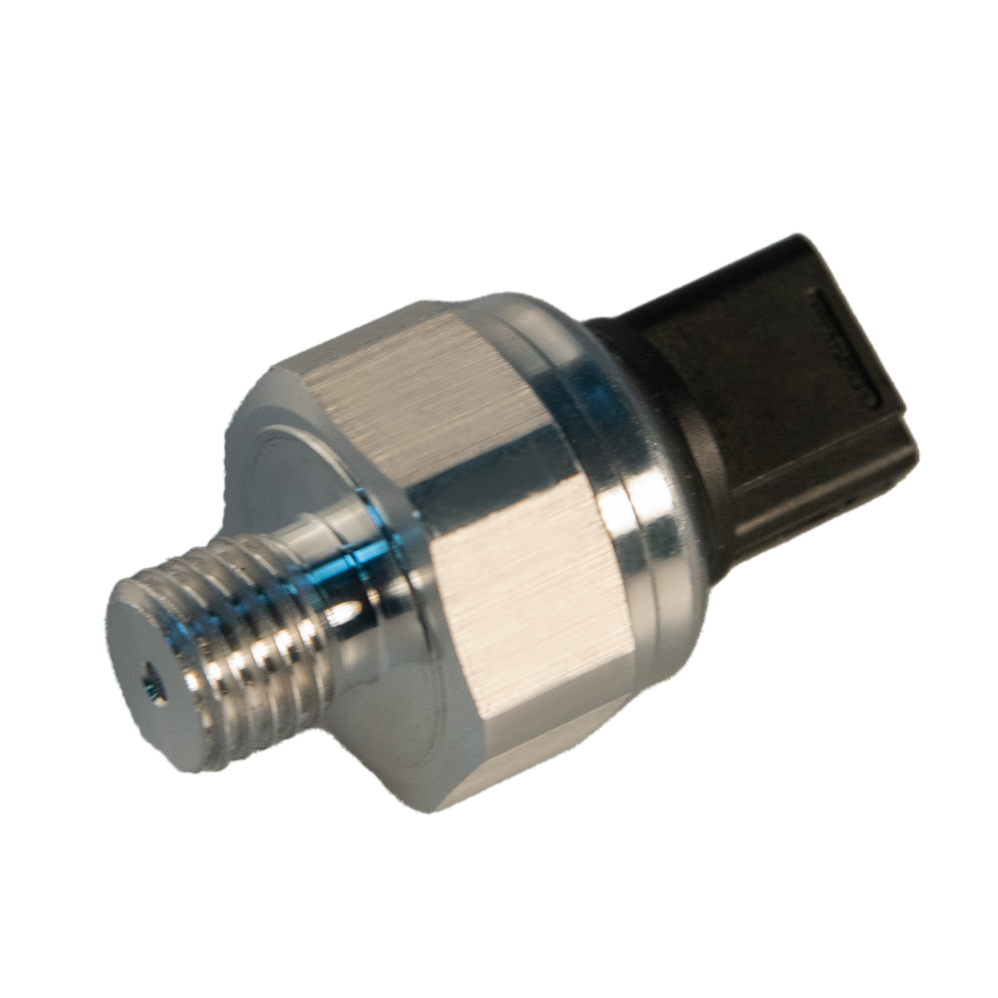
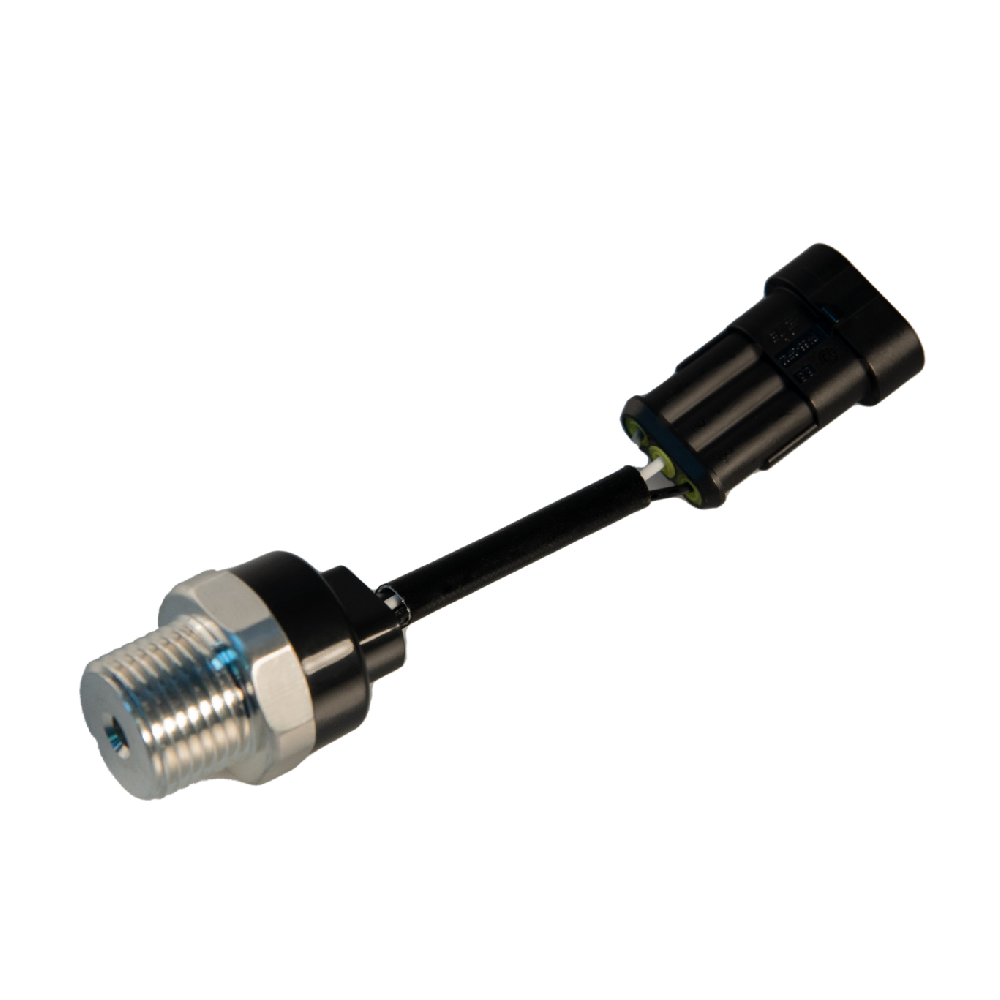
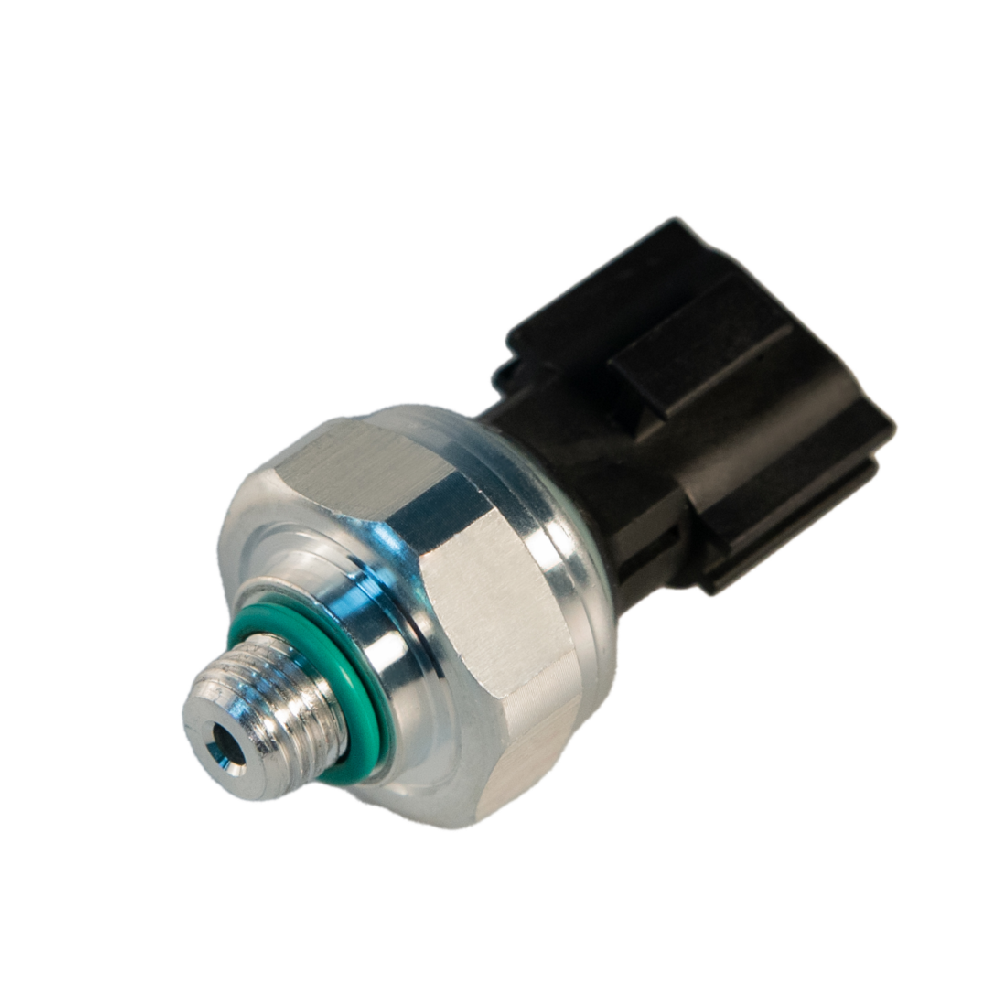
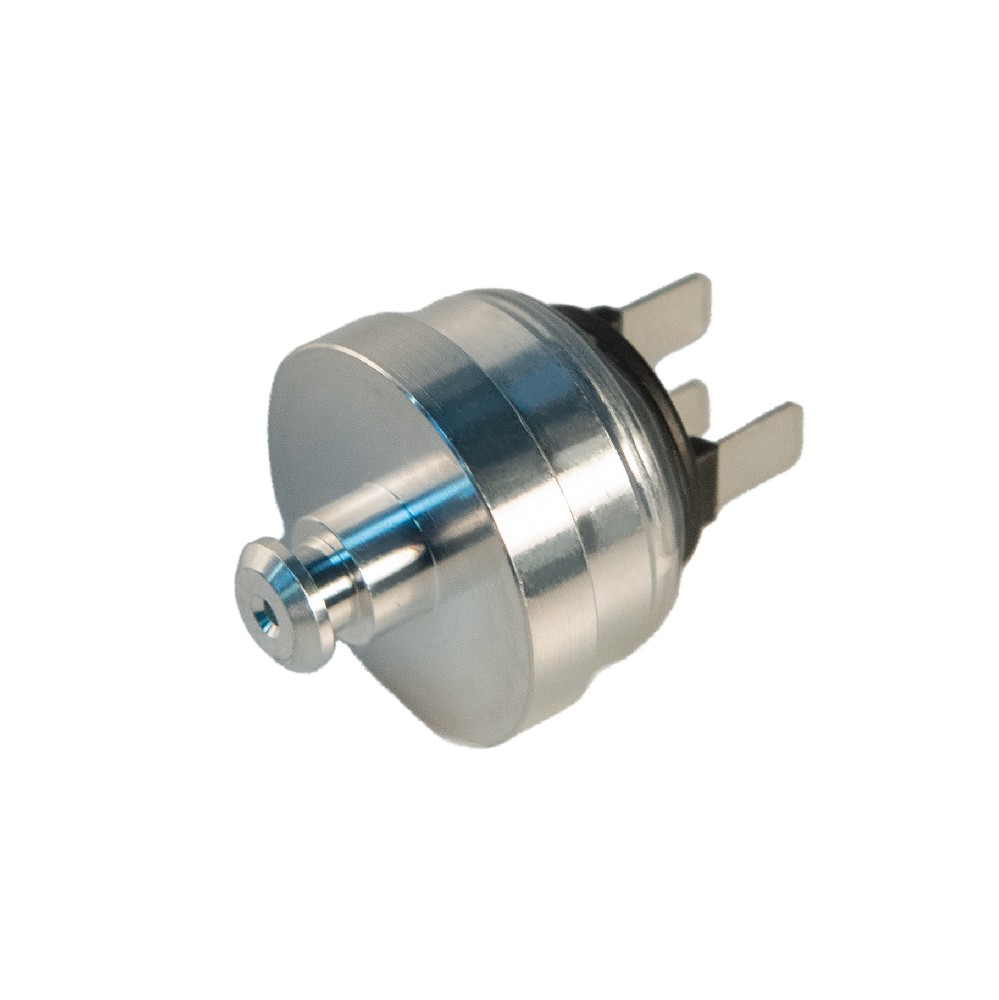
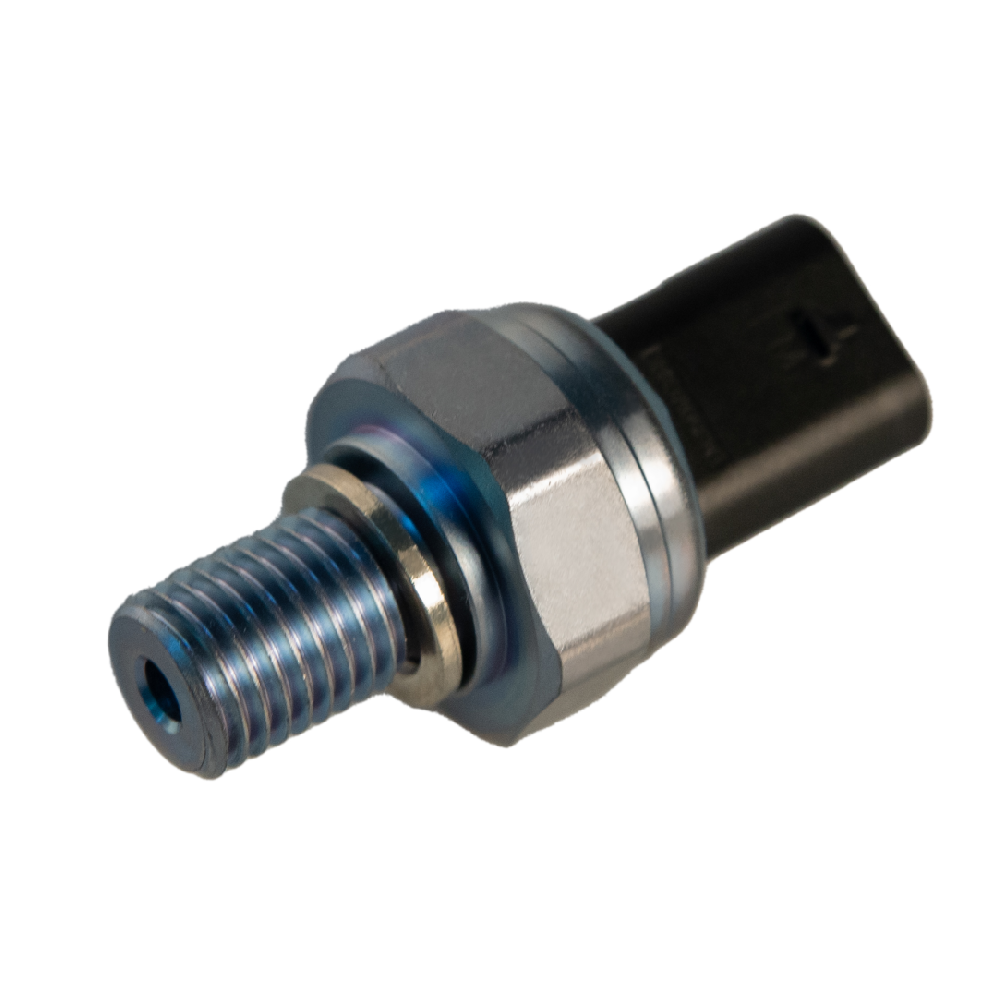
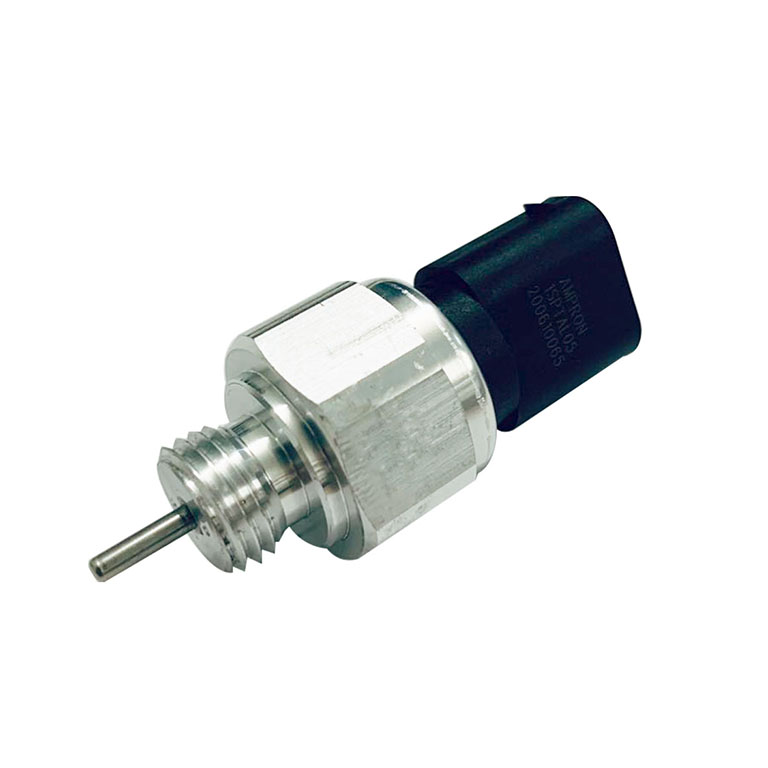
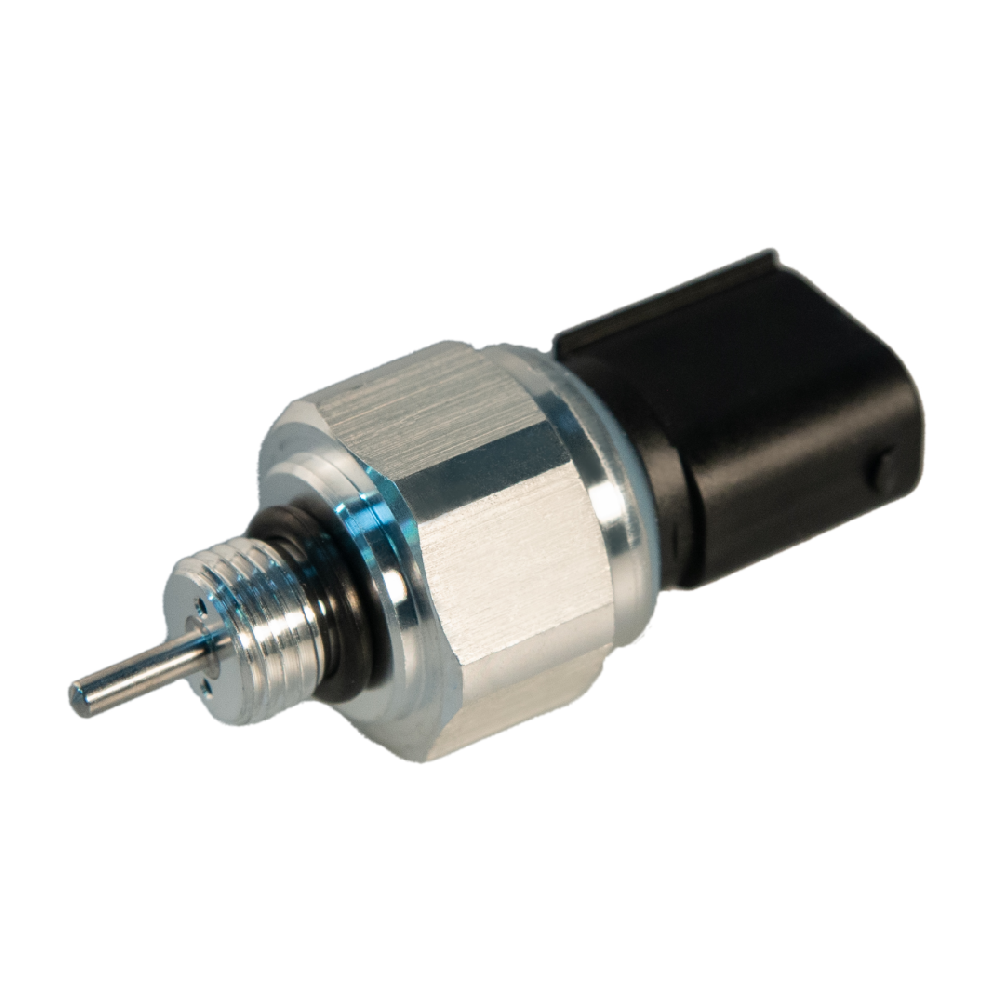
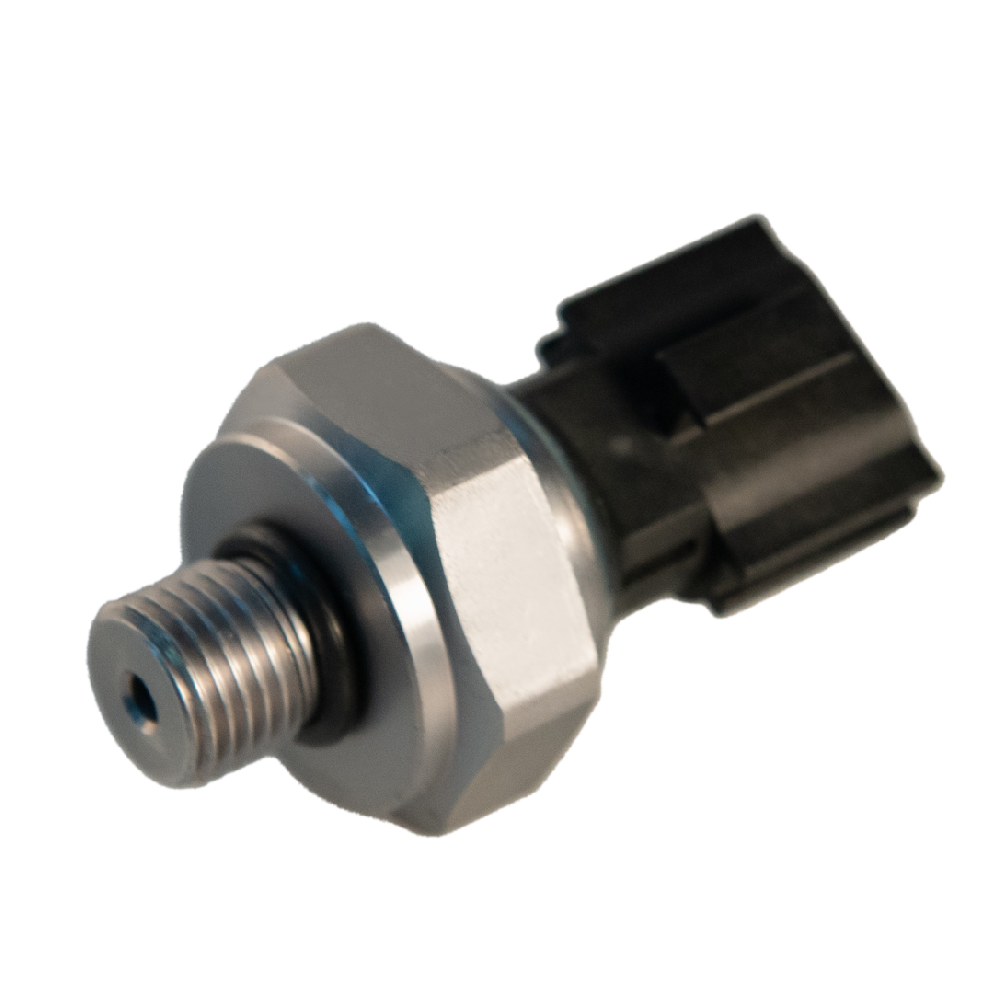
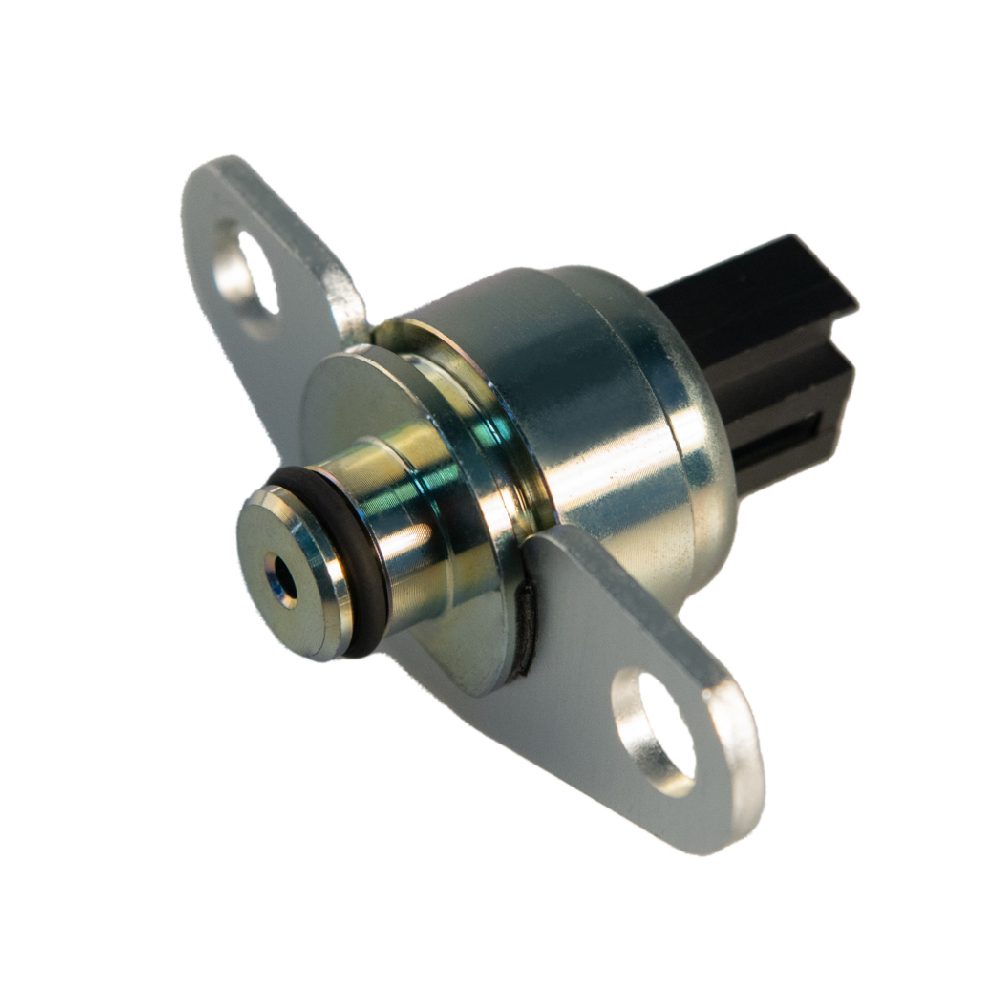
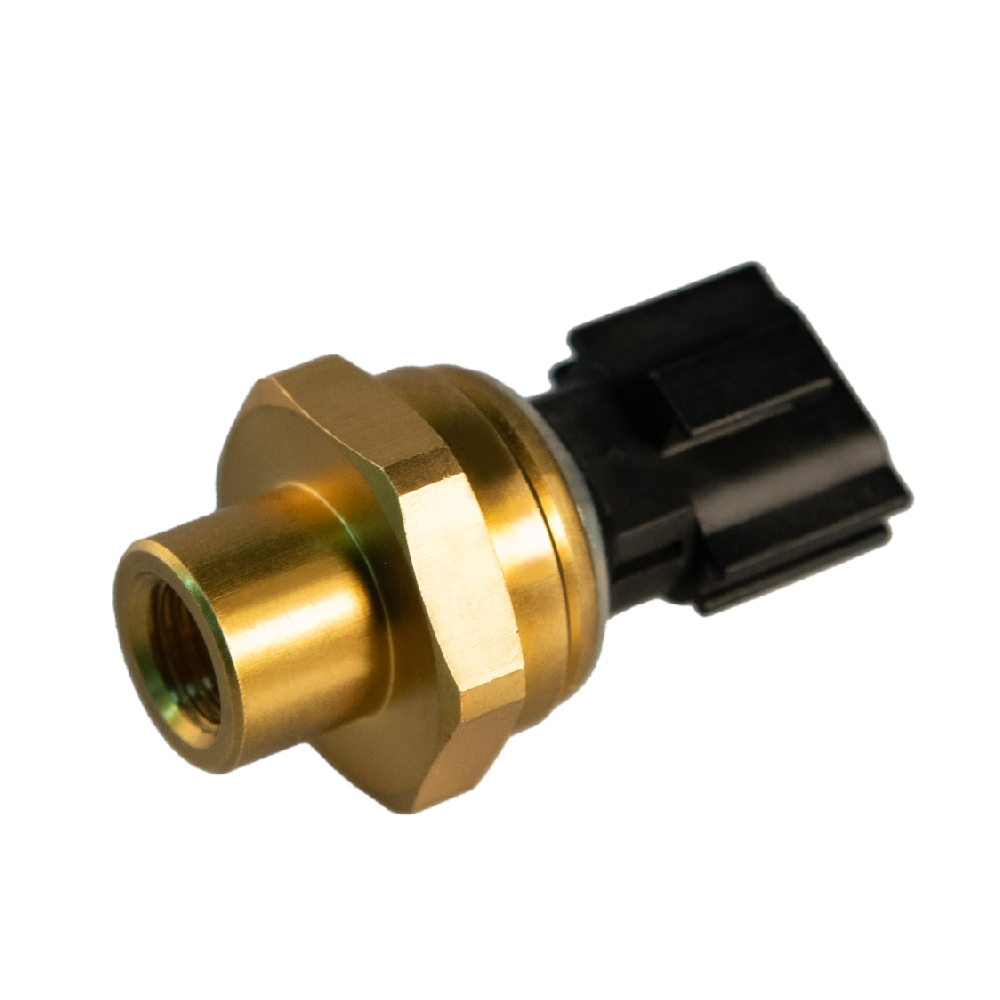
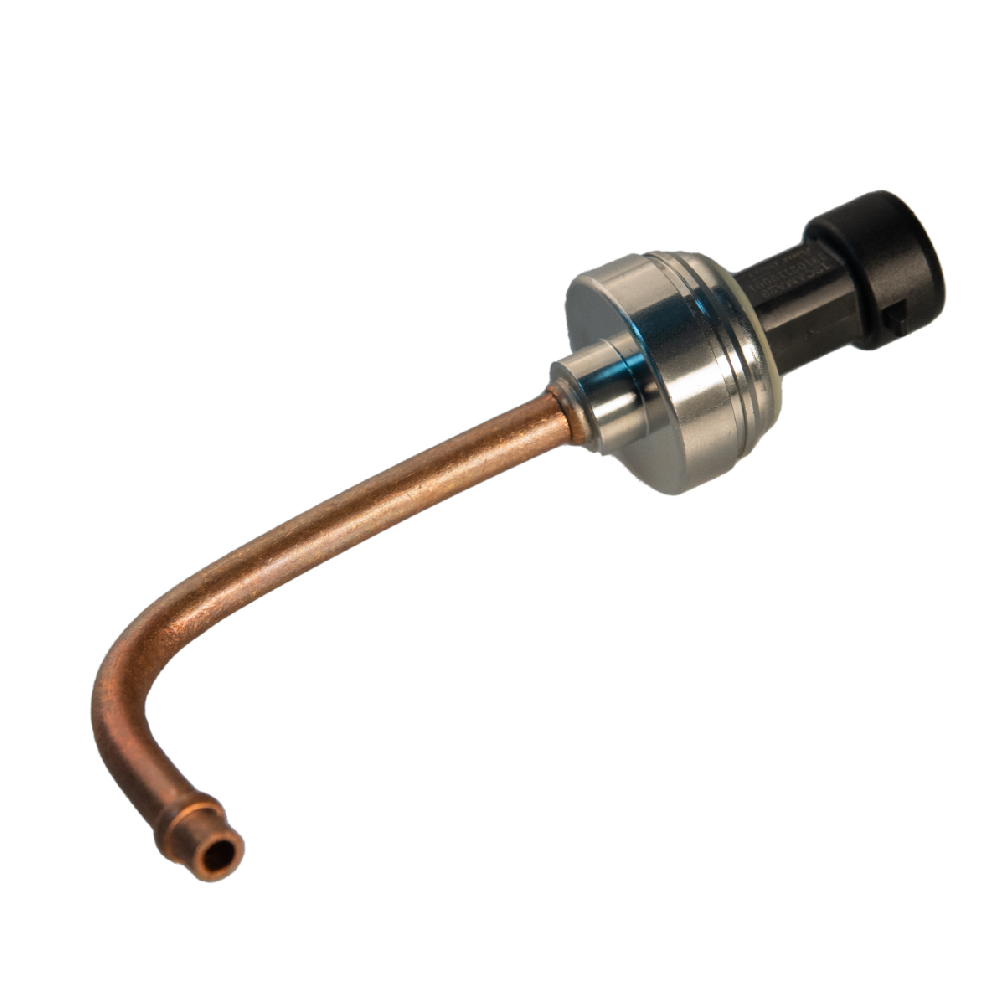
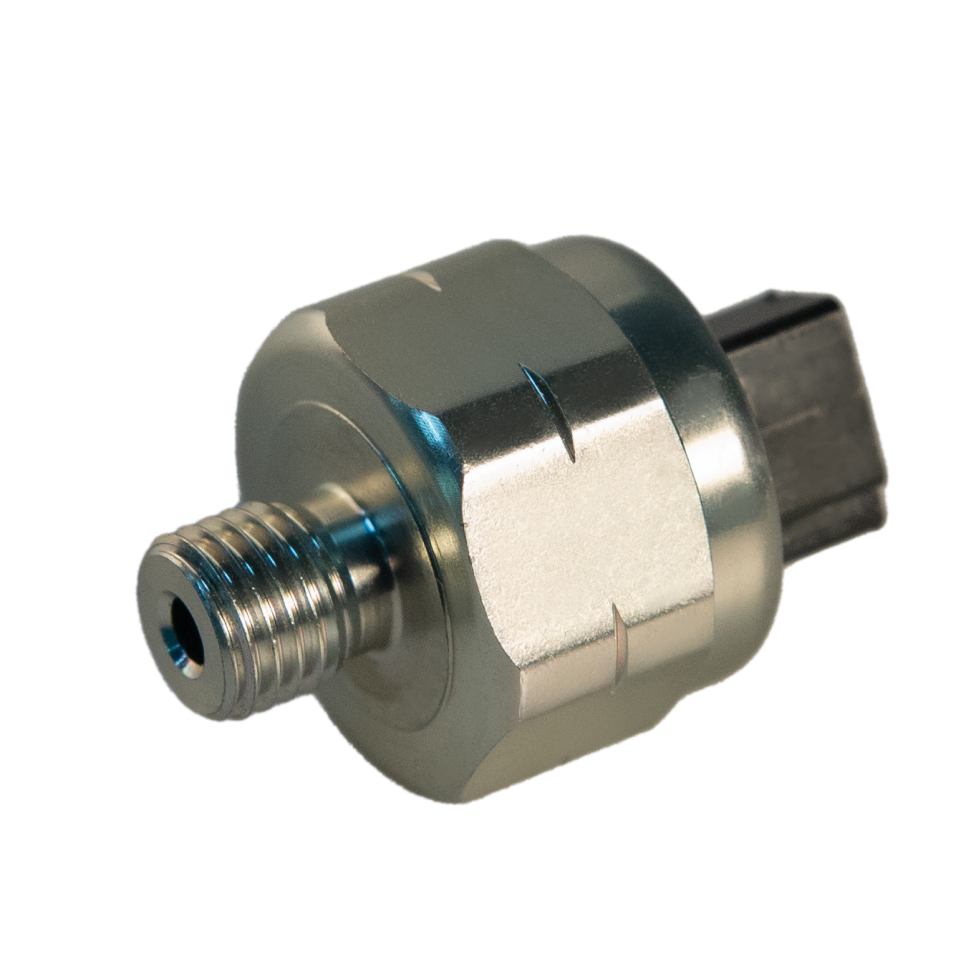
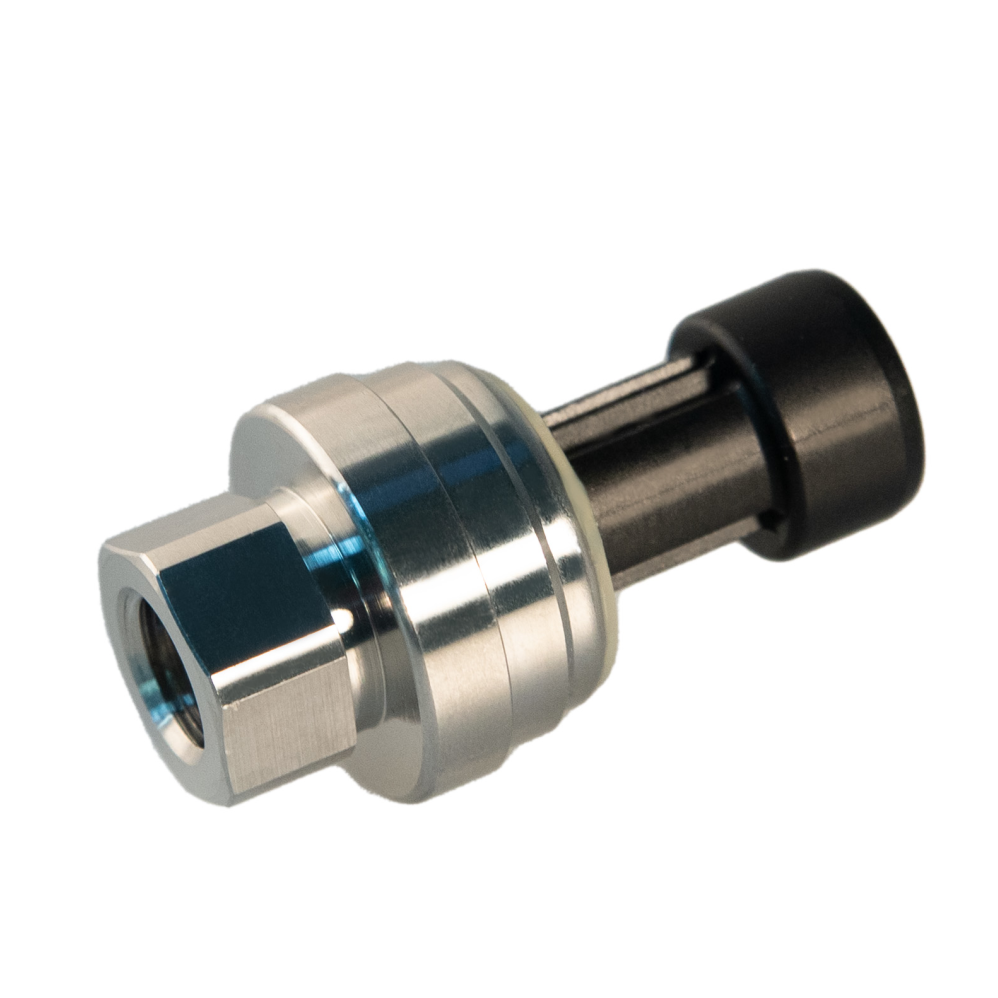
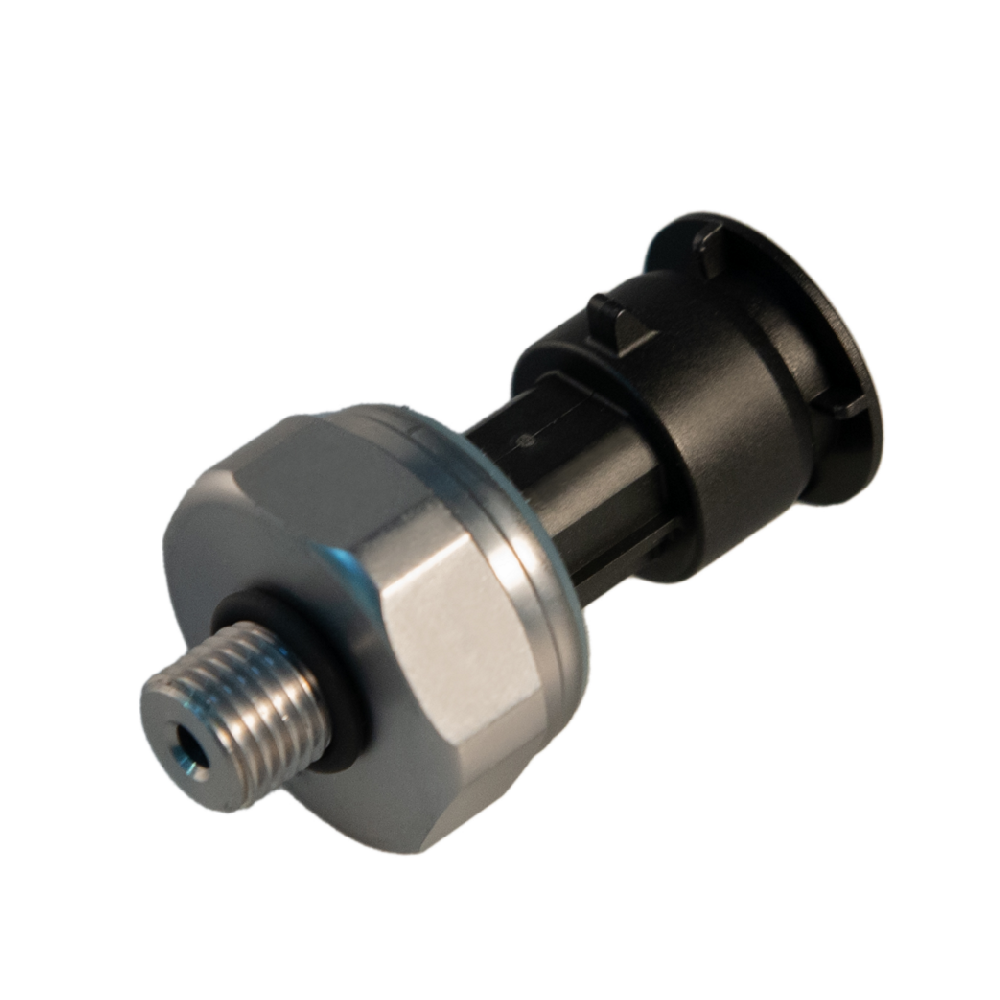
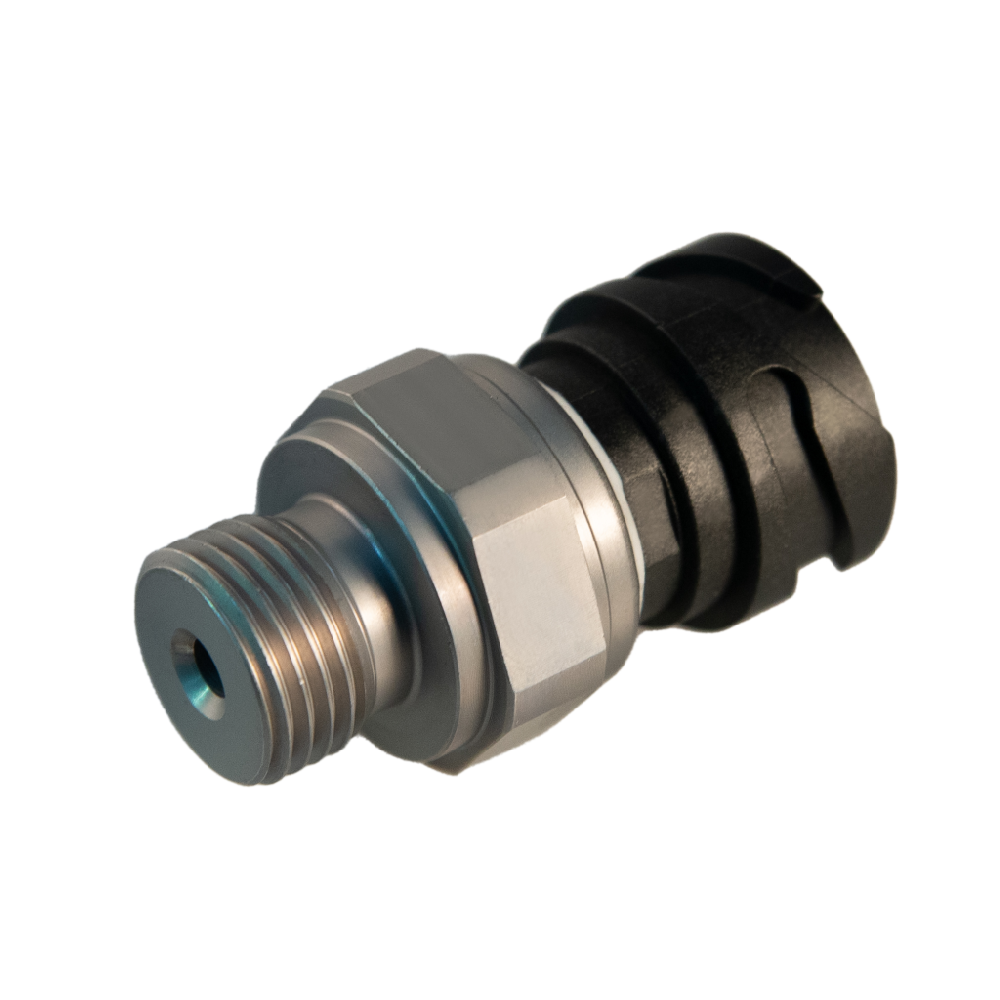
Brake Hydraulic Pressure Sensor
Product parameters
1. Key Technical Specifications
Working pressure: 0~4BarG (range can be adjusted)
Precision: ±1.0%Vcc. (0℃~+140℃)
±2.0%Vcc. (-40℃~0℃)
±1.5%Vcc. (140℃~+150℃)
Operating temperature: -40℃~+140℃
Storage temperature: -40℃~+150℃
Safe pressure: 6 BarG
Burst pressure: 12 BarG
Measuring medium: oil and gas mixture
Service life: three million full range cycles
Vibration: 11g (50~2000Hz)
Electrical interface: air pressure end button (123 pin with φ1.5 hole)
Protection level: IP67
Shell material: SAE1022 carbon steel
Pressure connection: M16×1.5-6g
Supply voltage: 5.0±0.25VDC
Output voltage: 0.5~4.5VDC (adjustable in 5V range)
Power supply current: 10mA(Max)
Output load: 100KΩ (pull-down resistance)
Output response time: 3mS
Short circuit protection: Yes
2. Core Function
Detect brake hydraulic pressure synchronously when the brake pedal is depressed and transmit accurate pressure data to vehicle control unit immediately.
Assist ABS anti-lock braking system to distribute independent braking force for each wheel, avoid wheel lock-up on slippery pavement and reduce stopping distance.
Provide pressure reference for ESP/ESC stability control, new energy vehicle regenerative braking and brake booster auxiliary control.
Equipped with built-in self-diagnosis function to identify pipeline leakage, abnormal pressure deviation, open or short circuits, activate dashboard malfunction indicator lamp and store diagnostic trouble codes.
Monitor pressure of dual-circuit braking system to identify single-circuit breakdown and eliminate potential braking failure hazards.
3. Working Principle
Most sensors adopt piezoresistive sensing technology:
Brake hydraulic pressure pushes stainless steel or silicon sensitive diaphragm to generate slight elastic deformation.
Strain resistors embedded on the diaphragm create resistance changes proportional to applied pressure.
Wheatstone bridge circuit transforms resistance fluctuation into standard 0–5V analog voltage signal.
Internal signal conditioning and ADC chips filter out signal noise and output stable analog or digital I2C signals to ECU.
Air brake sensors for commercial vehicles adopt capacitive technology: diaphragm deformation alters electrode clearance, and capacitance variation is converted into pressure signals.
4. Application Scope
Passenger Vehicles
Gasoline vehicles, hybrid electric vehicles and battery electric vehicles equipped with ABS, ESP and AEB automatic emergency braking systems.
Commercial Vehicles
Light trucks, heavy-duty trucks, passenger coaches and construction machinery fitted with EBS electronic braking systems.
5.Main Application Scenarios
Civil passenger transport, regenerative braking matching for new energy vehicles, intelligent driving auxiliary systems.
Dimensions
This product can be customized for customers. All types of our temperature sensors are available for customized service. Welcome to consult our sales staff for more details and product catalogs.