
 ru
ru
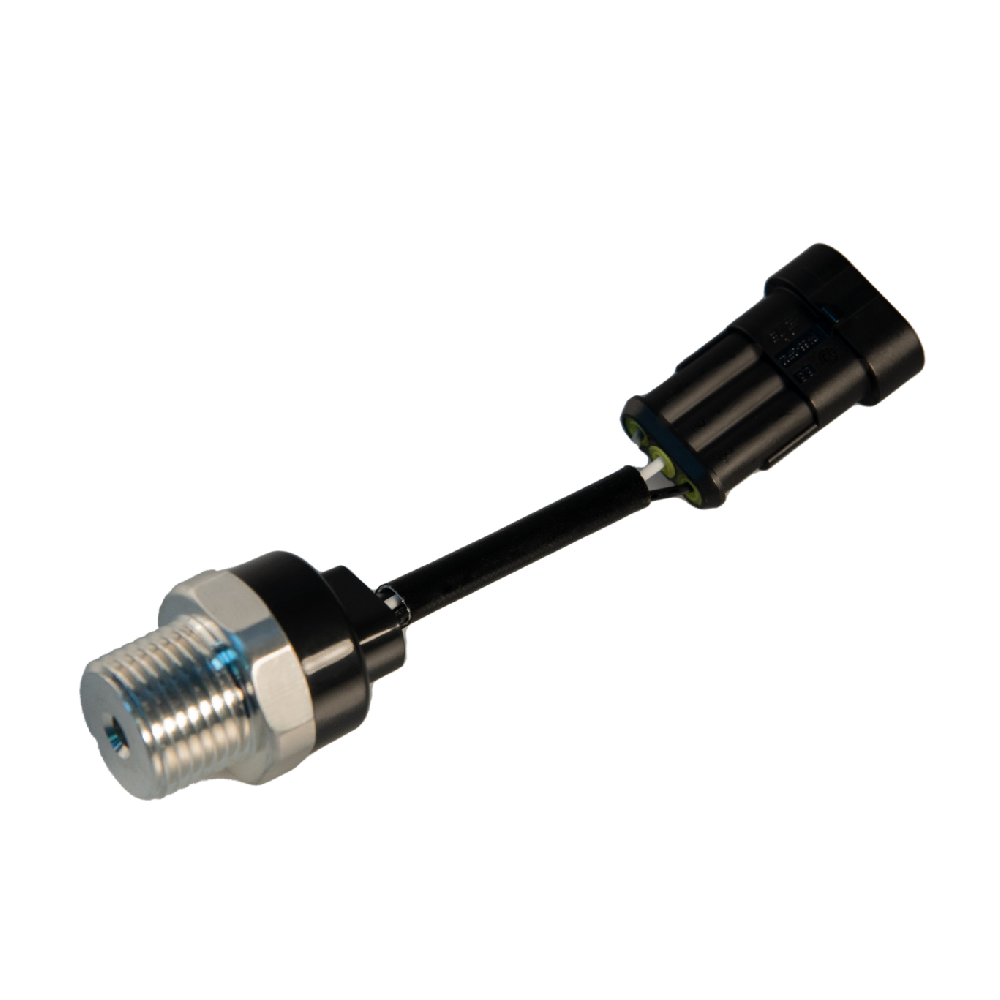
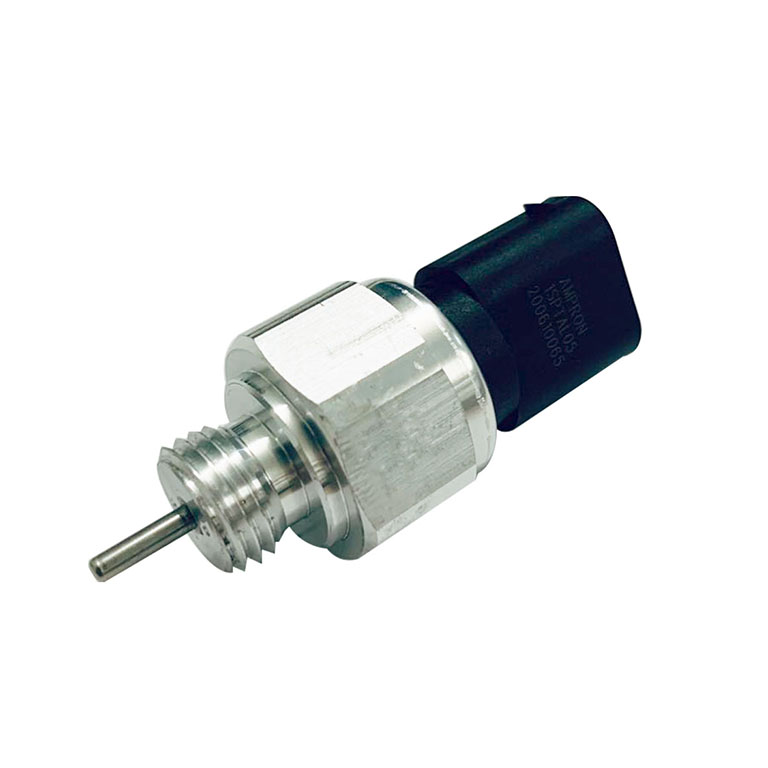
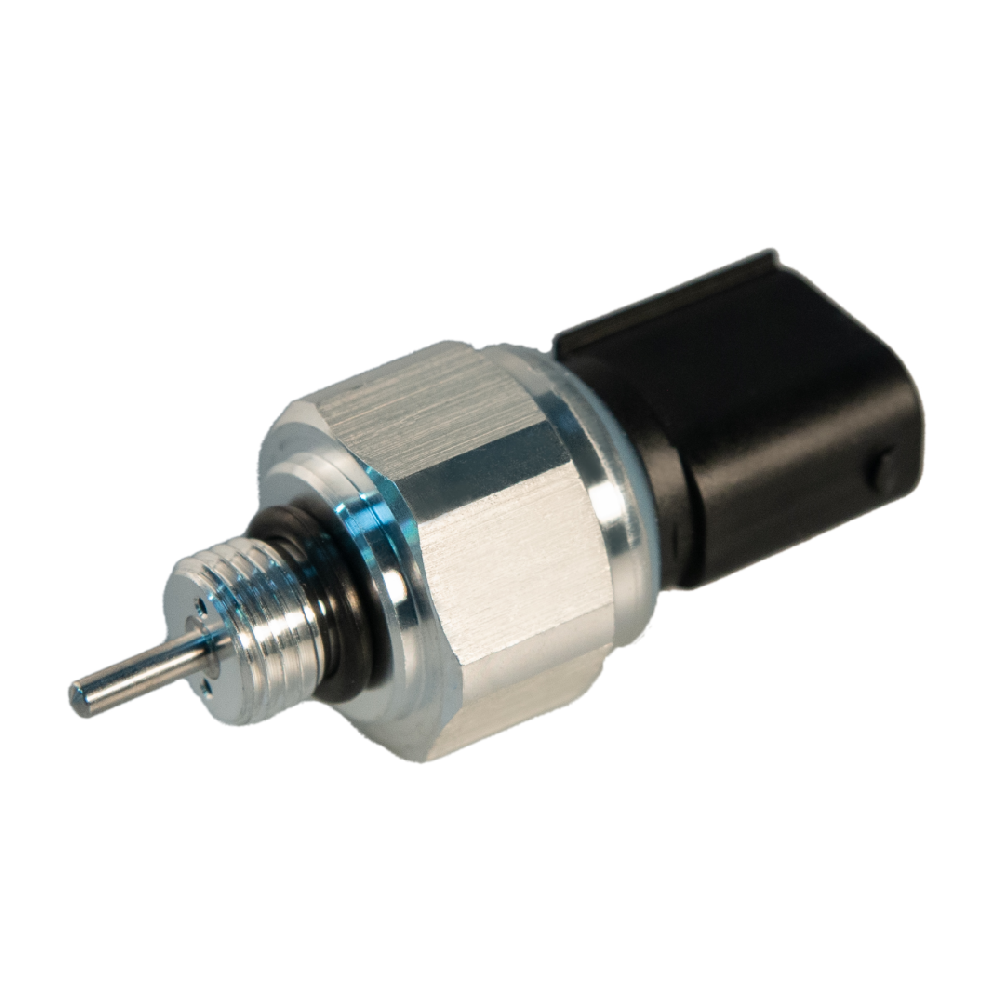
Motorcycle Lambda Sensor
Dimensions
Complete vehicle model lineup. Consult our sales staff for full model lists & catalogs.
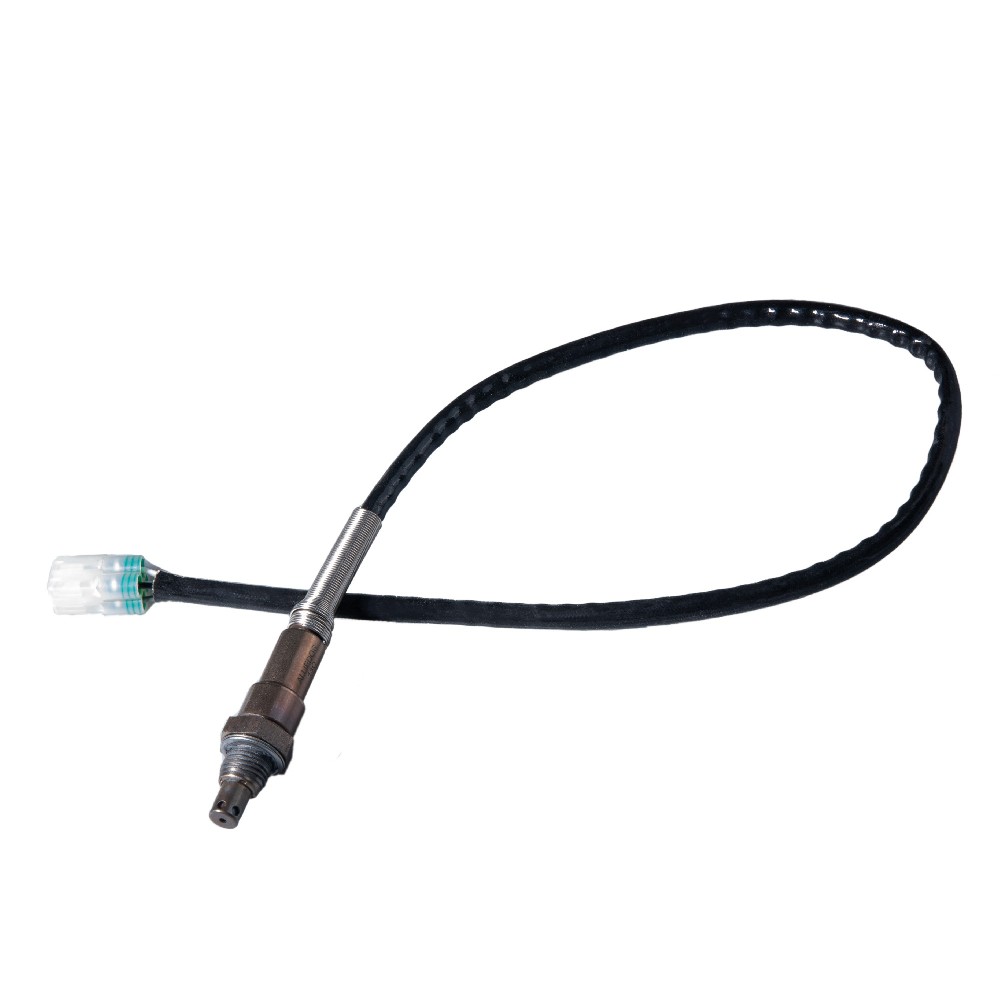
Product parameters
1.Key Technical Specifications
Resistance (23℃) : 9±1Ω
Resistance (23℃) : 9±1Ω
High voltage signal (350℃) : 800±55mV
Low voltage signal (350℃) : 80±30mV
Ignition time (350℃) : < 12S
Response time (350℃) 600mV→300mV: < 250ms
Response time (350℃) 300mV→600mV: < 100ms
Internal resistance (350℃) : < 500Ω
2.Core Function
Real-time detect residual oxygen content in engine exhaust and transmit feedback signals to ECU.
Dynamically adjust fuel injection volume to keep optimal air-fuel ratio, improve power performance and reduce fuel consumption.
Lower exhaust pollutants including CO and HC to meet motorcycle emission regulations.
Judge abnormal engine combustion state, feed fault information to control unit and trigger fault prompt.
Built-in heating structure enables quick reaching working temperature for stable signal output at cold start.
3.Working Principle
This sensor applies zirconia oxygen ion conduction technology:
Motorcycle exhaust gas passes through the outer protective cover and contacts the internal ceramic chip.
Built-in heating element rapidly heats the zirconia chip to activate ion conduction function.
Oxygen partial pressure difference between exhaust and outside air produces corresponding voltage signal.
Signal changes sharply near the theoretical air-fuel ratio; ECU adjusts fuel supply according to signal fluctuation.
4.Application Scope
Vehicle Types
Two-stroke & four-stroke fuel motorcycles, scooters, motor tricycles
Matching Components
Motorcycle exhaust pipe, catalytic converter, engine ECU
Application Scenarios
Motorcycle engine closed-loop fuel injection control, exhaust emission detection, cold start combustion optimization, emission standard calibration