

Product Banner
NTC Thermistor vs Fixed Resistor for Inrush Current Limiting

NTC Thermistor vs Fixed Resistor for Inrush Current Limiting

Aug 13, 2026
When electronic equipment is powered on, the input capacitor inside a switching power supply requires a large amount of current to charge in a very short time. This sudden current spike is called inrush current. Although it only lasts for a short period, it can create stress on components such as fuses, bridge rectifiers, switches, relays, and power semiconductors.
Why Does Inrush Current Occur in Switching Power Supplies?

Why Does Inrush Current Occur in Switching Power Supplies?

AUG 07, 2026
When a switching power supply is turned on, a short but high current spike may occur before the system reaches normal operation. This phenomenon is known as startup inrush current. Although the duration is usually very short, the peak current can be several times higher than the rated operating current, creating stress on components such as fuses, bridge rectifiers, switches, relays, and power semiconductors.
NTC Thermistor vs Fixed Resistor for Inrush Current Limiting

How NTC Thermistors Support AI Cooling Systems?

AUG 13, 2026
AI servers generate concentrated heat inside high-density racks. GPUs, CPUs, memory modules, and power components may remain under heavy load for long periods, making temperature control a key part of system performance and reliability.
Why Does Inrush Current Occur in Switching Power Supplies?

How NTC Thermistors Improve Temperature Control in Air Conditioning Systems?

Jul 24, 2026
Air-conditioning systems depend on accurate temperature monitoring to maintain comfort, improve energy efficiency, and protect critical components. NTC thermistors are widely used in residential and commercial HVAC systems because of their compact size, fast response, stable performance, and cost-effective design.
NTC Thermistor vs Fixed Resistor for Inrush Current Limiting

MF51 Glass-Encapsulated NTC Thermistors for AR Glasses Thermal Management

Jul 17, 2026
AR glasses integrate processors, batteries, optical modules, and charging circuits into a compact wearable device. During operation, heat can accumulate quickly, affecting performance, battery safety, display stability, and wearing comfort. MF51 glass-encapsulated NTC thermistors provide compact, stable, and responsive temperature sensing for key thermal-management points in AR glasses.
NTC Thermistor vs Fixed Resistor for Inrush Current Limiting

HTS-5 NTC Temperature Sensor for Heat Detectors: Reliable Temperature Monitoring for Kitchen Fire Safety

Jul 03, 2026
Kitchen environments present unique challenges for fire detection. Steam, cooking fumes, and grease can easily trigger false alarms in conventional smoke detectors. As a result, heat detectors have become the preferred fire protection solution for kitchens and other environments where smoke detection is less suitable. The HTS-5 Precision Bracket-Type NTC Temperature Sensor is designed to provide fast, accurate, and reliable temperature monitoring for ceiling-mounted heat detectors, helping improve fire detection accuracy while minimizing false alarms.
NTC Thermistor vs Fixed Resistor for Inrush Current Limiting

MF51 Ceramic-Base Glass-Encapsulated NTC Thermistors for Coffee Machine Temperature Control

Jun 12, 2026
Coffee machines operate in challenging environments characterized by high-temperature steam, repeated heating and cooling cycles, continuous pump vibration, and high humidity. These conditions place demanding requirements on temperature sensing components. Reliable temperature control not only affects coffee quality but also directly impacts equipment safety and service life. Designed for harsh operating conditions, MF51 ceramic-base glass-encapsulated NTC thermistors provide a stable and accurate temperature sensing solution for household, commercial, fully automatic, and capsule coffee machines.
NTC Thermistor vs Fixed Resistor for Inrush Current Limiting

High-Reliability Temperature Sensing for Humanoid Robot Joints

Jun 05, 2026
In humanoid robots, large joint actuators drive key motion areas such as the shoulders, elbows, waist, hips, and knees. As robots become more dynamic, compact, and powerful, heat management inside these joints becomes increasingly critical. During jumping, sudden stops, rapid turns, or continuous operation, heat can build up quickly inside the actuator. If this heat is not monitored in time, it may lead to control drift, insulation aging, magnet demagnetization, lubrication failure, joint malfunction, or system shutdown.
NTC Thermistor vs Fixed Resistor for Inrush Current Limiting

How Do Inrush Current Limiter Work? Proper Selection for Surge Suppression

May 14, 2026
In power supply systems, inrush current at startup is one of the key factors affecting equipment reliability. When power is applied, large capacitors charge rapidly, generating a surge current far exceeding the rated value. This transient current can damage rectifier bridges, electrolytic capacitors, and even input fuses. To ensure safe startup and extend system lifespan, inrush current limiter are widely used in power supplies and charging equipment. Their core function is to limit inrush current and protect critical components.
NTC Thermistor vs Fixed Resistor for Inrush Current Limiting

Safety Core of High-Power Fiber Laser Welding: Why is the MF52B NTC Thermistor Indispensable?

Apr 17, 2026
High-power fiber laser welding equipment (20kW–30kW) is widely used in steel structures, power equipment, shipbuilding, rail transportation, and heavy machinery. While providing high efficiency and deep-penetration welding capabilities, the equipment generates a significant amount of heat during continuous high-load operation. Temperature control has become a critical factor affecting the safe and stable operation of the equipment.
NTC Thermistor vs Fixed Resistor for Inrush Current Limiting

NTC Thermistors for Loop Resistance Testers: Improving Accuracy and Overheat Protection

Apr 10, 2026
Loop resistance testers are essential for evaluating electrical connection quality and system safety. Their accuracy directly impacts the reliability of test results. However, two key challenges often limit performance: · Temperature drift affecting measurement accuracy · Overheating under high current operation NTC thermistors provide an effective solution to both.
NTC Thermistor vs Fixed Resistor for Inrush Current Limiting

What makes the MF58 NTC thermistor the best choice for commercial steam ovens?

Apr 03, 2026
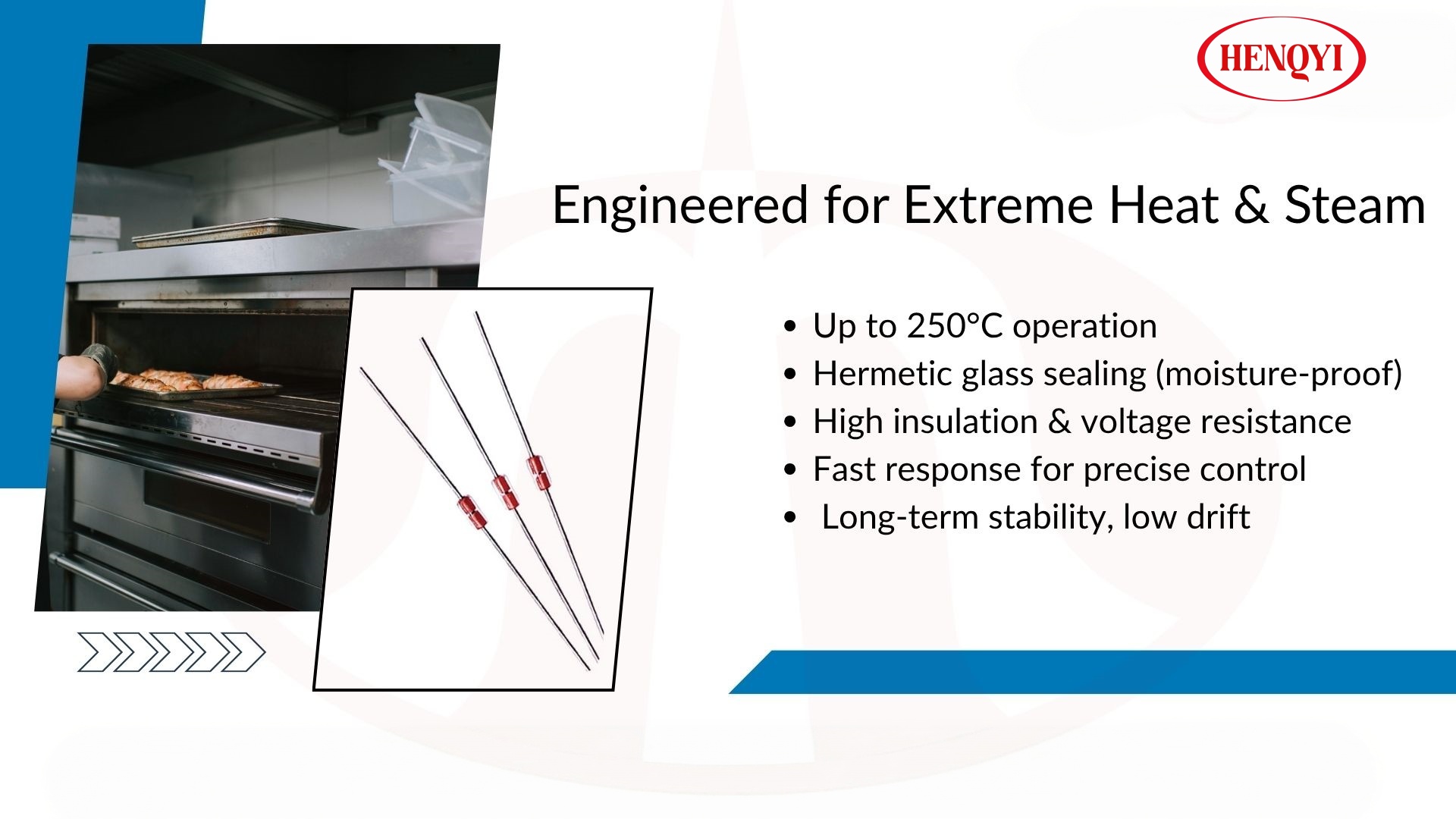
Commercial steam ovens demand sensors that can withstand high temperatures (up to 250°C/482°F) and saturated humidity. The MF58 series glass-encapsulated NTC from Shiheng Electronics provides a hermetic seal that prevents moisture ingress, ensuring: 1. Extreme Durability: High insulation resistance (500 MΩ) and dielectric strength (1500V) protect against short circuits in steaming modes. 2. Multimodal Stability: A wide operating range (-55°C to +250°C)/(-67°F to 482°F) allows one sensor to manage everything from low-temp fermentation to high-temp sterilization. 3. Rapid Response: A thermal time constant of ~12 seconds enables precise PID control, preventing temperature overshoot during rapid mode switching.
NTC Thermistor vs Fixed Resistor for Inrush Current Limiting

Epoxy vs. Glass NTC Thermistors: Understanding Encapsulation and Bead-Type Designs

Mar 27, 2026
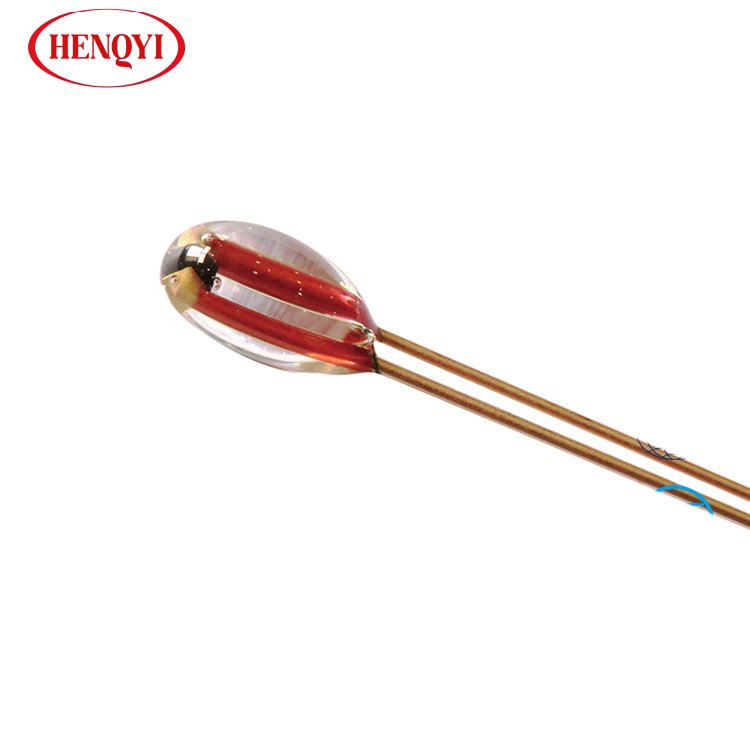
The primary difference lies in their environmental resilience and temperature limits: Epoxy-Coated NTCs are cost-effective and provide a fast thermal response, but are typically limited to 125°C and are sensitive to moisture. Glass-Encapsulated NTCs (like the MF58 series) offer a hermetic seal, making them waterproof and stable up to 250°C. "Bead-type" refers strictly to the physical shape (small and rounded) rather than the material; both epoxy and glass thermistors can be bead-type.
NTC Thermistor vs Fixed Resistor for Inrush Current Limiting

NTC Temperature Sensors for Residential Solar Inverter Thermal Management

Mar 20, 2026
As residential solar energy systems become a global standard, the inverter has emerged as the critical "brain" of the installation—responsible for converting DC power from photovoltaic panels into usable AC electricity. In modern home energy ecosystems, inverter reliability is the primary driver of overall energy efficiency, system stability, and equipment longevity.
NTC Thermistor vs Fixed Resistor for Inrush Current Limiting

How Do NTC Thermistors Serve as the “Temperature Guardians” for Car Vacuum Cleaner Motors?

Mar 13, 2026
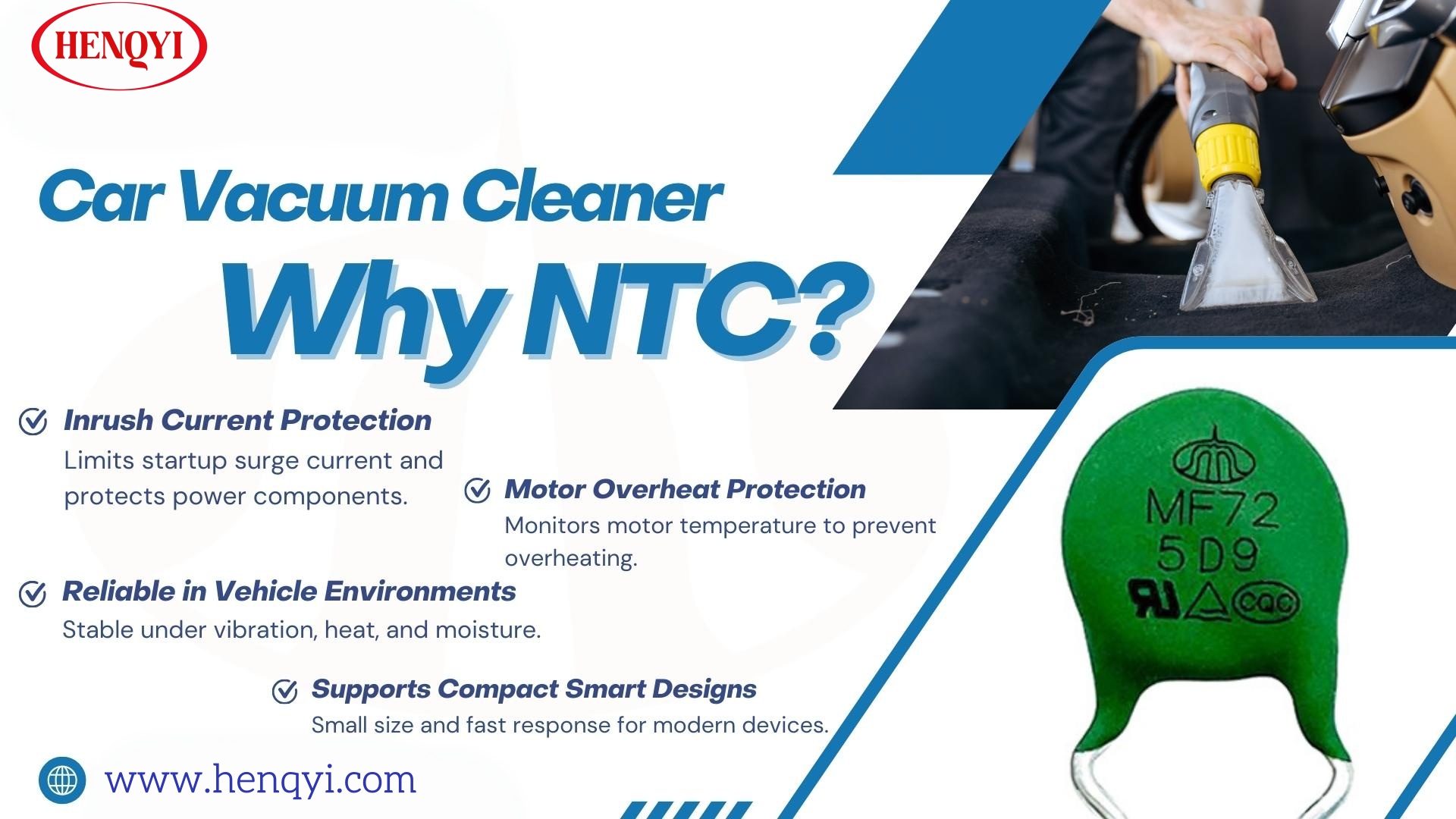
The core needs of car vacuum cleaners are "stable vacuuming" and "safety protection," and the working stability of its core component, the motor, directly determines the product experience and safety. NTC thermistors, relying on their "temperature-resistance" characteristics, play a crucial role in three major scenarios, avoiding the risk of motor failure throughout the process and ensuring user safety.
NTC Thermistor vs Fixed Resistor for Inrush Current Limiting

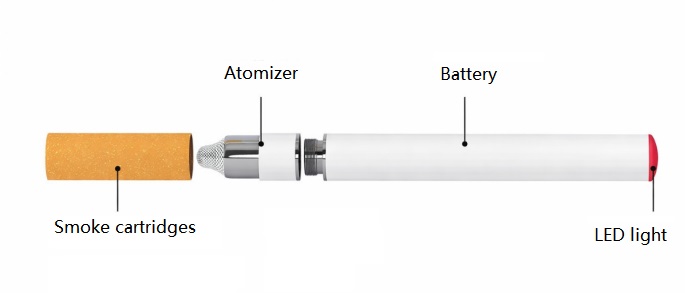
Enhancing E-Cigarette Performance and Safety with NTC Thermistors

Mar 06, 2026
As e-cigarette devices evolve with higher power output, refined temperature control, and more stringent safety standards, temperature management has become a critical aspect of entire system design. Precise temperature monitoring not only affects the atomization effect but also directly relates to device safety and the lifespan of critical components.
NTC Thermistor vs Fixed Resistor for Inrush Current Limiting

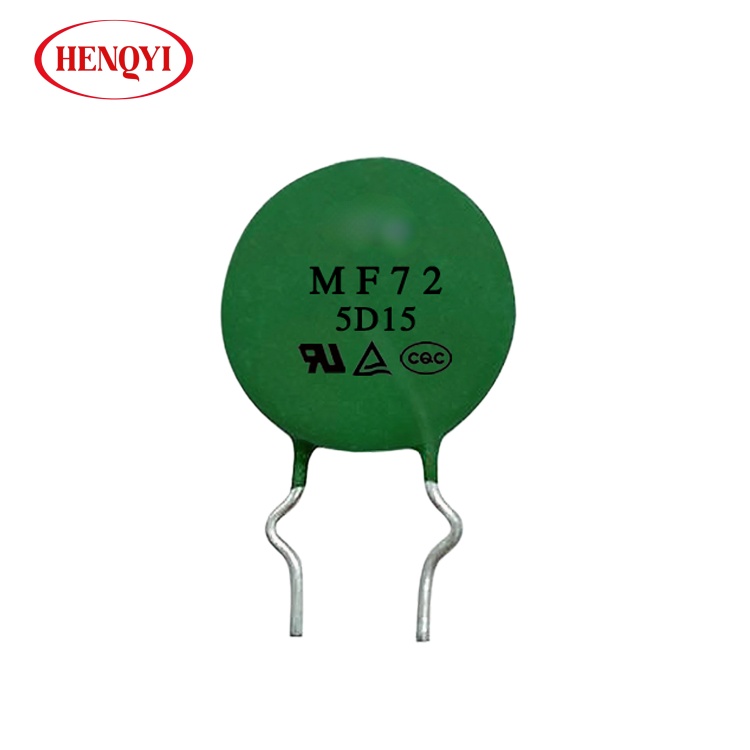
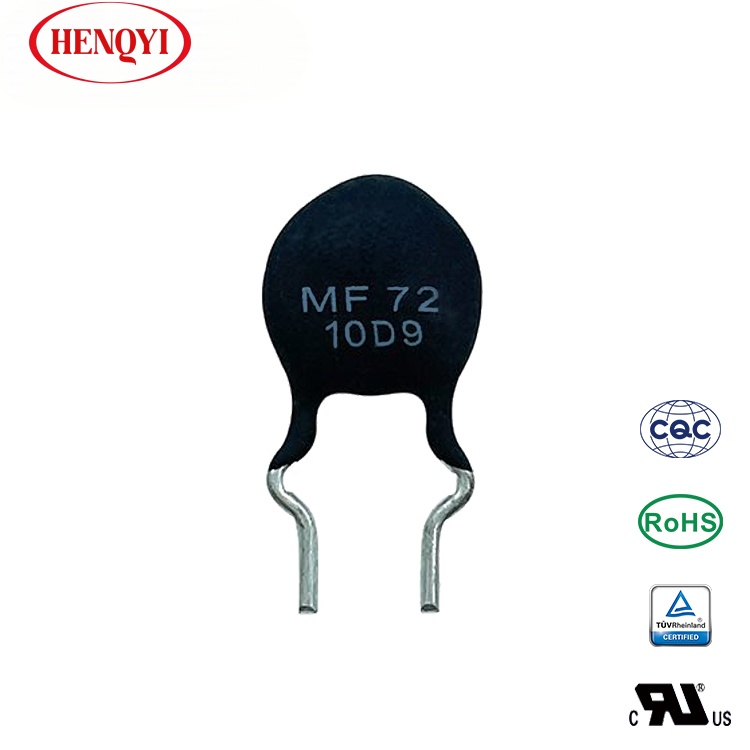
Inrush current limiter MF72 in Automatic Clothes Drying Racks

Feb 06, 2026
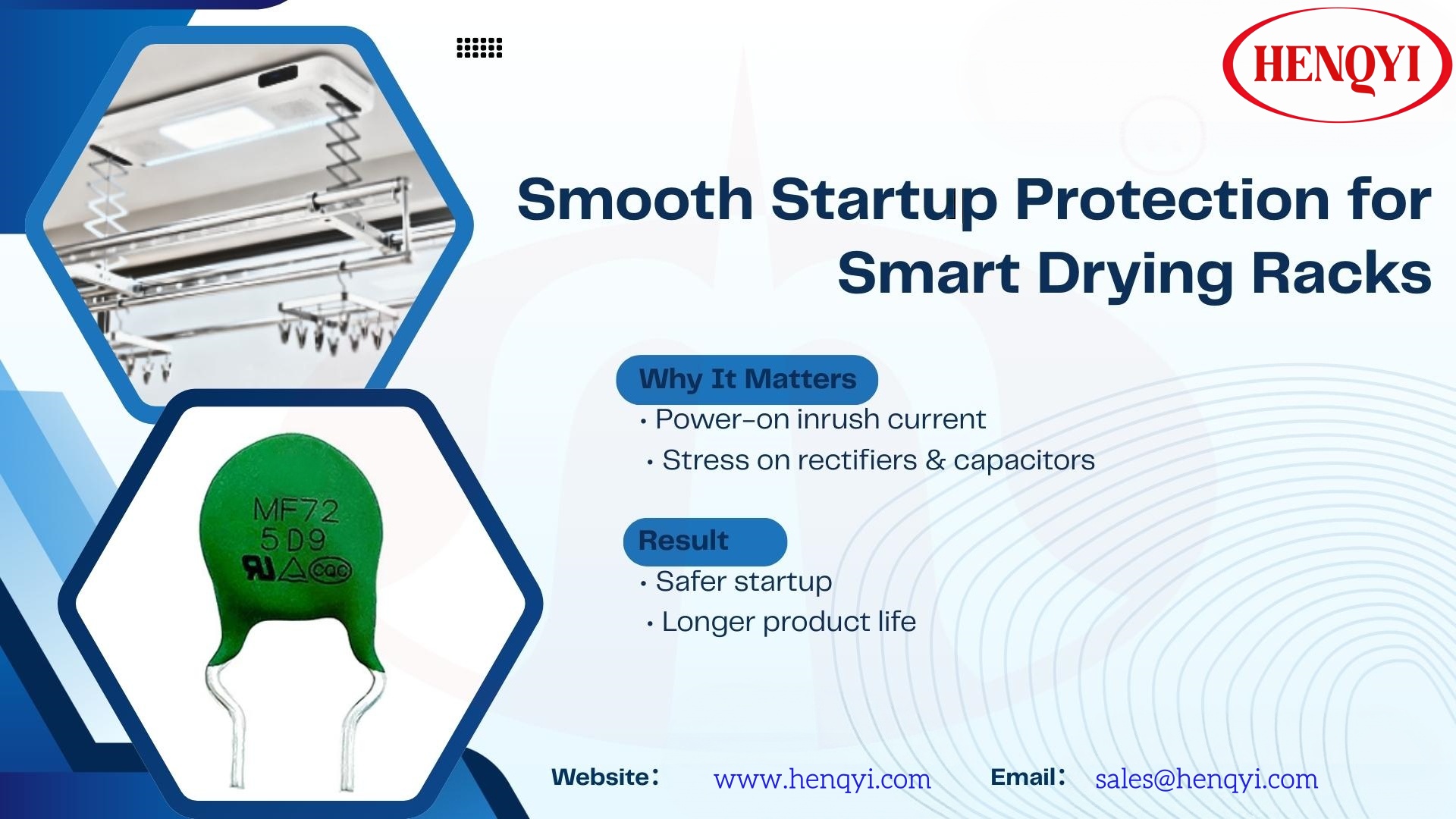
As smart home products continue to evolve, automatic clothes drying racks have become far more than simple lifting systems. Today’s models integrate LED lighting, heating and drying functions, UV sterilization, obstacle detection, and even app or voice control. Behind this convenience and intelligence, however, lies a complex electronic system that must remain stable every time the device powers on. One small but critical component plays a key role in protecting that system:  Inrush current limiter MF72.
NTC Thermistor vs Fixed Resistor for Inrush Current Limiting

Automotive-Grade NTC Thermistors: What Makes Them Different?

Jan 16, 2026
Temperature sensing is rarely the most visible part of an automotive system, but it often becomes the first thing engineers look at when something doesn’t behave as expected. In battery packs, onboard chargers, motors, and power modules, temperature data directly affects how control logic responds to stress conditions. That’s where automotive-grade NTC thermistors come in. What defines an automotive-grade NTC thermistor is not a single specification on a datasheet. In practice, it comes down to how the part behaves after years of heat, vibration, and repeated thermal cycling.
NTC Thermistor vs Fixed Resistor for Inrush Current Limiting

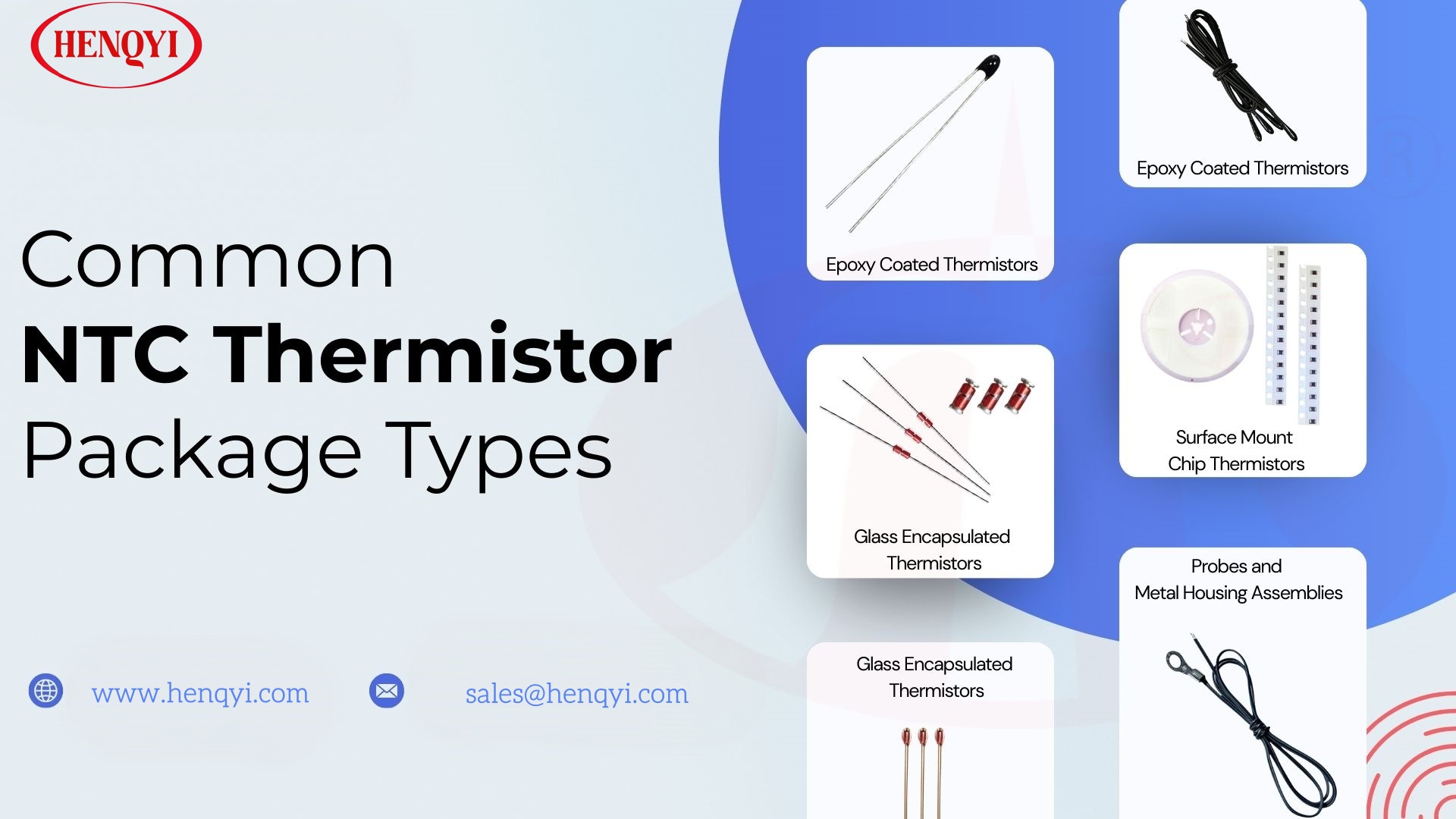
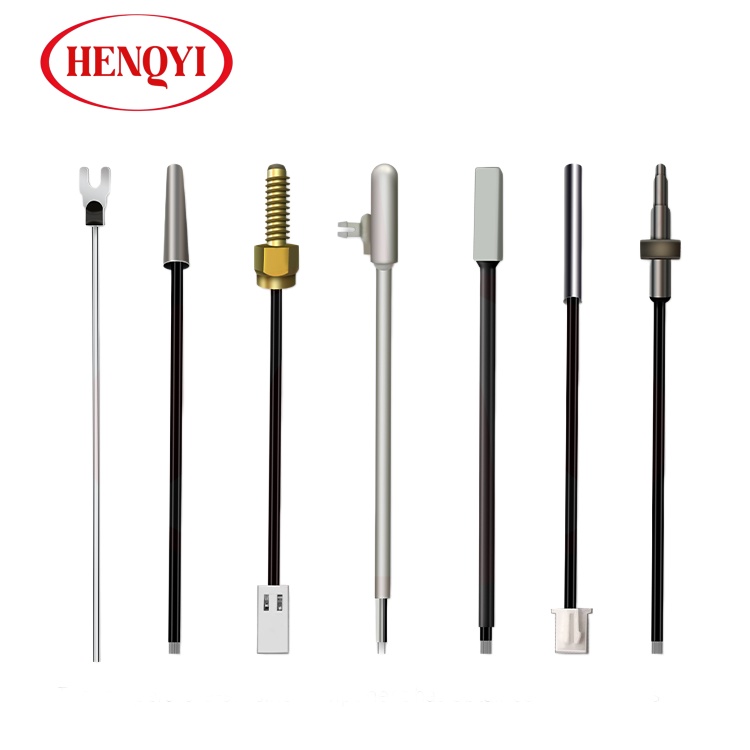
Common NTC Thermistor Package Types

Jan 09, 2026
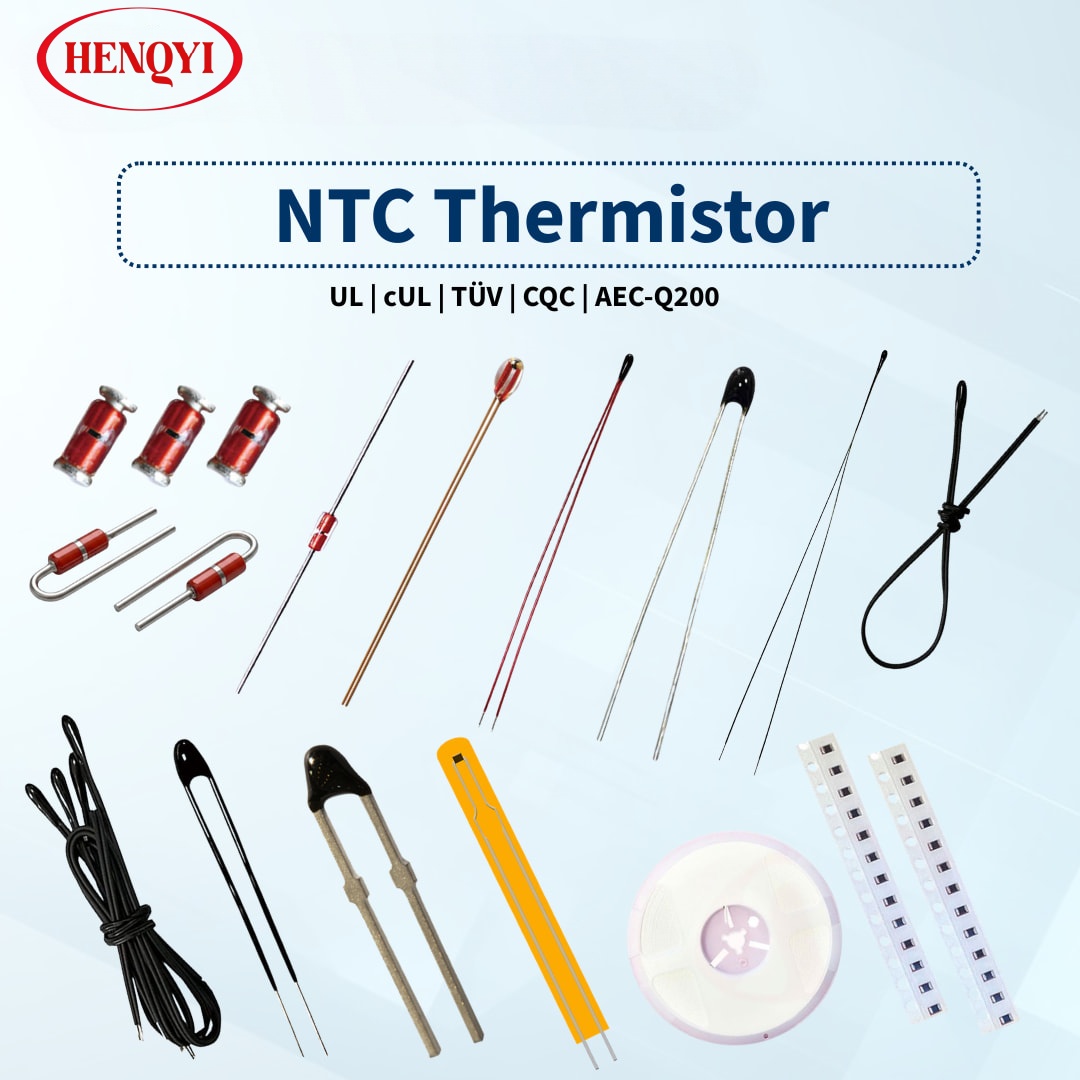
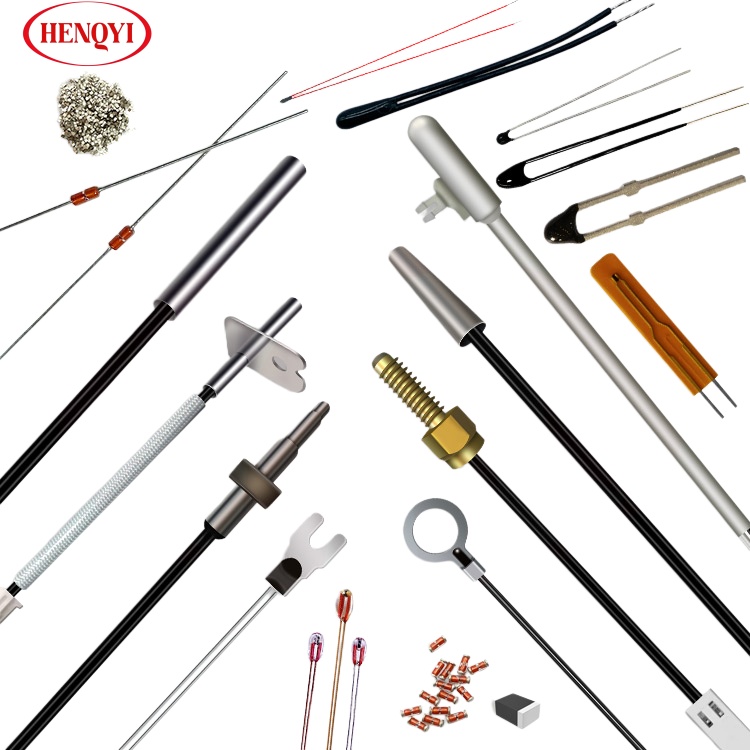
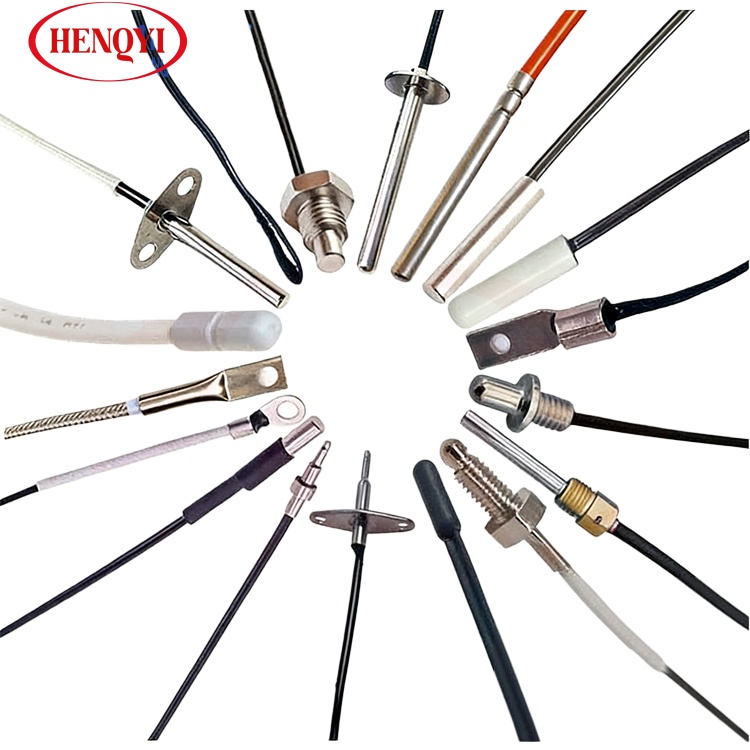
When selecting an NTC thermistor, resistance value, accuracy tolerance, or B constant are typically considered. While these parameters are important, the package type becomes equally crucial once the design enters the manufacturing stage. In practical applications, the package directly impacts reliability, ease of installation, and longterm performance.