

Why Do NTC Thermistors Vary Between Batches?
Have you ever received NTC thermistors of the same model and noticed something unusual?
- Some parts look slightly different
- Some batches seem not exactly the same
- Surface finish may vary, some glossy, others slightly gray
It's a common question:"Is this a quality issue?" In fact, this is normal in thermistor manufacturing. What really matters is not whether differences exist, but whether they are controlled.
Why Do NTC Thermistors Vary Between Batches?
NTC thermistors are ceramic semiconductor components produced through multiple precision processes, including:
- Material formulation
- High‑temperature sintering
- Electrode coating
- Lead wire welding
Small variations between batches can occur due to:
- Slight differences in ceramic composition
- Sintering atmosphere and temperature profile
- Coating thickness variations
- Welding process conditions
These are natural variations in any ceramic‑based manufacturing process.
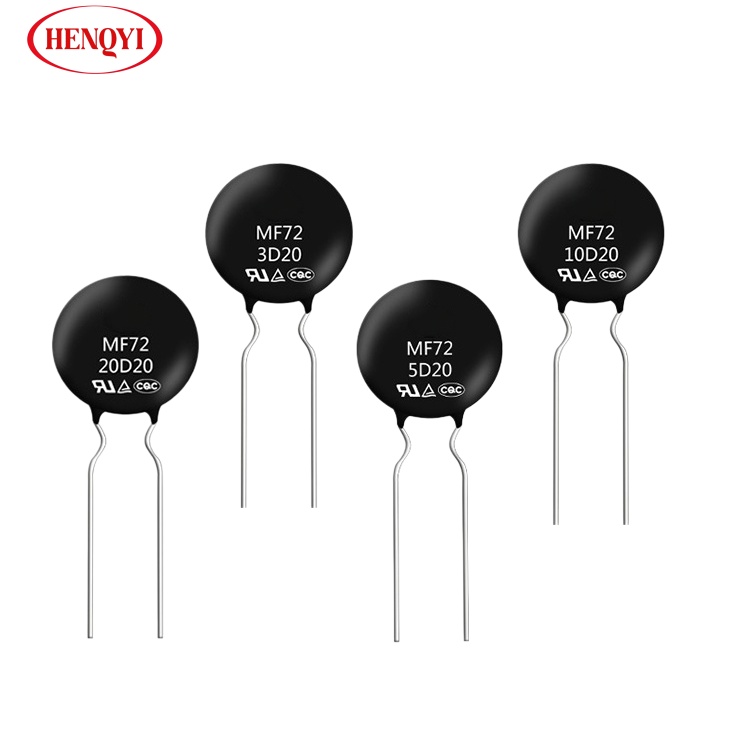
The Key: Controlled Consistency
Professional manufacturers ensure consistency through strict sorting and binning processes:
- Each thermistor is classified by resistance tolerance
- Only parts within specified ranges are shipped
- Automated screening ensures batch uniformity
From the user's perspective, all qualified parts perform consistently in real applications.
Why Do Some Thermistors Look Glossy While Others Look Matte or Gray?
Another common concern is appearance: Why do identical NTC thermistors have different surface finishes? This difference is mainly related to the coating, not the sensing element itself.
Possible Causes
- Differences in resin formulation
- Storage time of materials
- Variations between suppliers
For example:
- Resin aging may reduce surface gloss
- Slight color variation may occur during curing
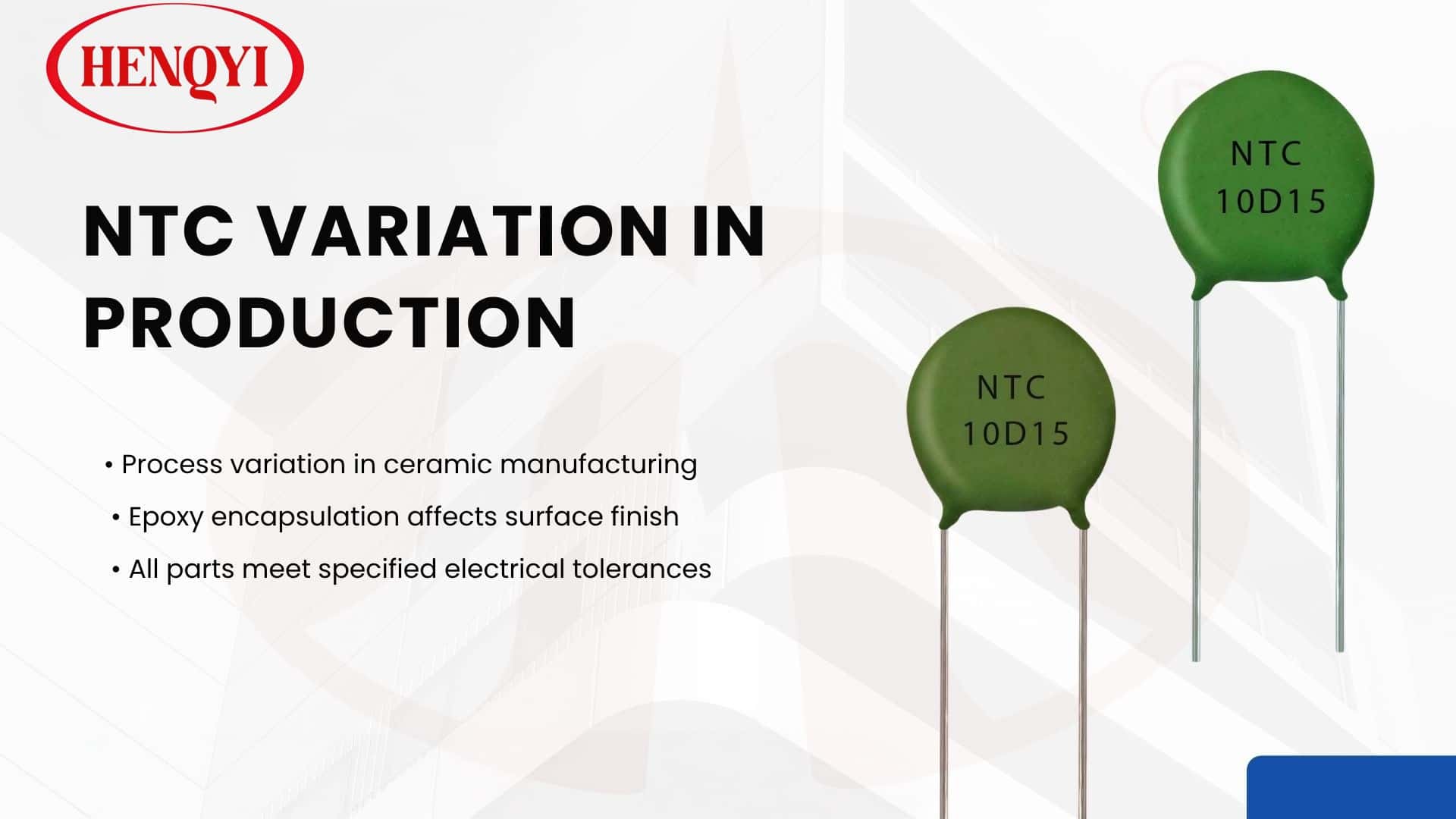
Important: This Is Only Cosmetic
These visual differences do not affect:
- Resistance value
- B‑value characteristics
- Temperature response
- Long‑term stability
In the industry, these are considered non‑functional visual differences.
What Should You Focus On Instead?
When evaluating NTC thermistors, the focus should be on:
- Electrical performance within tolerance
- Stability across batches
- Process consistency
Not surface appearance. It is normal for NTC thermistors to show:
- Minor batch‑to‑batch variations
- Slight differences in surface appearance
These do not indicate quality issues. What defines a reliable thermistor is how well these variations are controlled within specification.